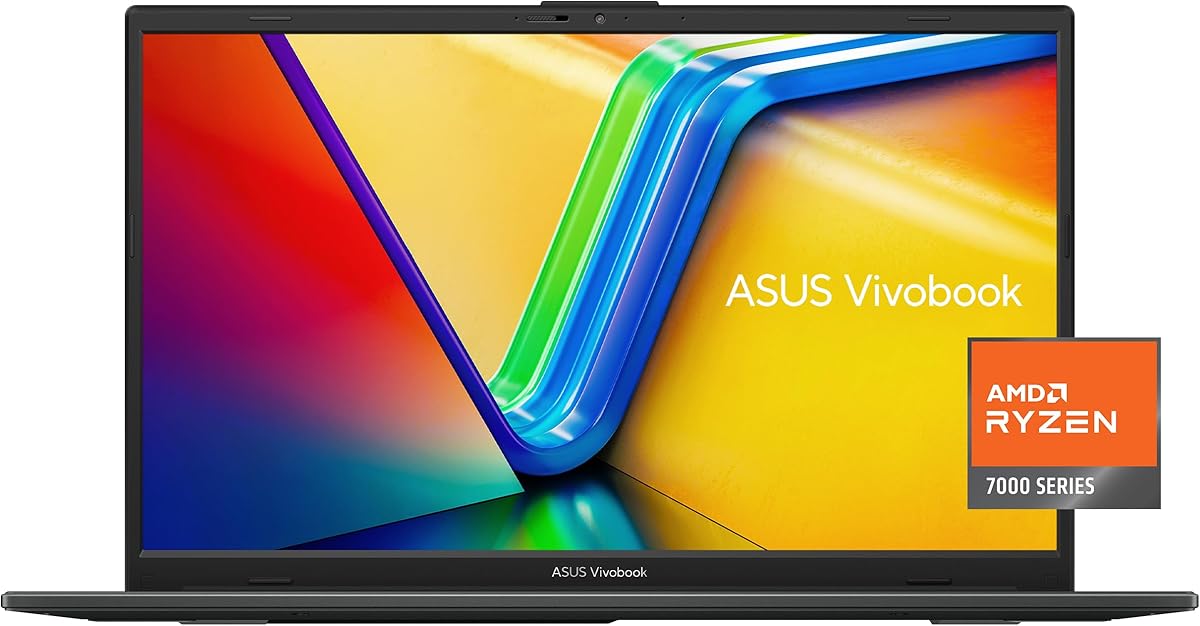
ASUS Vivobook Go 15.6" FHD Slim Laptop
4.3Editor score
AMD Ryzen 3 7320U Processor
8GB DDR5 RAM and 128GB SSD
Military Grade Durability Design
Choosing the right ASUS Laptop for Students can make a significant difference in your academic journey. Whether you need a device for note taking, research, or creative projects, finding a model that balances performance and portability is essential for long term success.
We have carefully evaluated a wide range of ASUS models to compile this comprehensive list. Our analysis focuses on key aspects such as processor speed, memory capacity, storage options, and overall build quality to ensure you get the most reliable machine for your studies.
Each pick in this guide highlights specific strengths tailored to different student needs and budgets. Please note that prices and availability can change frequently, so we recommend checking the latest details before making your final purchase decision for your education.
4.3Editor score

4.8Editor score

4.5Editor score
As an Amazon Associate we earn from qualifying purchases.
This side by side comparison provides a quick overview of all ten selected ASUS models. Reviewing these specifications helps you identify the best fit for your specific academic requirements and budget constraints immediately.


The ASUS Vivobook Go 15.6" FHD Slim Laptop stands out as an excellent choice for students seeking a reliable device without breaking the bank. With a solid rating from users, this model delivers essential performance for everyday academic tasks like browsing the web and writing papers.
We may earn a commission when you buy through this link, at no additional cost to you.
Its AMD Ryzen 3 7320U processor provides adequate power for multitasking, while the 8GB DDR5 RAM ensures smooth operation when switching between applications. The military grade durability means it can withstand the rigors of daily transport in a backpack, making it ideal for campus life.
While the 128GB SSD offers fast boot times, students may need to rely on cloud storage for larger files. The display is functional for general use but lacks the brightness needed for outdoor study sessions. Overall, it is a practical entry level option.
This laptop is perfect for students on a tight budget who need a dependable machine for core coursework. We recommend it for those who prioritize portability and durability over heavy multimedia capabilities.
The military grade construction ensures the laptop can handle drops and bumps common in student environments.
A dedicated webcam shield allows you to protect your privacy during online classes and video calls.
We may earn a commission when you buy through this link, at no additional cost to you.
The ASUS 2023 Vivobook Go 15 Laptop builds upon the success of the previous model with upgraded components. It offers a smoother experience for students who need to run multiple applications simultaneously without significant lag during their work hours.
We may earn a commission when you buy through this link, at no additional cost to you.
Equipped with an AMD Ryzen 5 processor and a spacious 512GB SSD, this machine handles file storage and application loading with ease. The fast charging technology is particularly useful for students who need to top up their battery quickly between classes.
However, some users note that battery performance can vary depending on the workload. The screen bezels are thicker compared to newer premium models but the display remains clear for standard academic content consumption and creation.
This laptop is a strong middle ground option for students needing more storage and power than the entry level version. It is highly recommended for those who store many local files and need reliable connectivity.
Wi-Fi 6E provides stable internet connections in crowded campus areas, and fast charging saves valuable time.
AI noise canceling technology ensures your voice is heard clearly during virtual meetings and lectures.
We may earn a commission when you buy through this link, at no additional cost to you.
The ASUS Vivobook 14 represents a significant leap forward with its Snapdragon X processor and Copilot+ PC features. It has earned a high rating due to its impressive efficiency and ability to handle modern AI driven tasks effectively for students.
We may earn a commission when you buy through this link, at no additional cost to you.
With 16GB of RAM and a crisp 14-inch FHD+ display, this laptop offers a premium feel at a competitive price point. The Qualcomm Adreno GPU ensures smooth visuals, making it suitable for light creative work alongside standard academic duties.
Students might need to adjust to the new architecture as some older software may behave differently than on traditional x86 systems. However, the gains in battery life and thermal management are substantial enough to outweigh these minor adjustments for most users.
We consider this the Editor's Choice for students who want a modern device capable of handling future software trends. It is ideal for those who value battery life and cutting edge AI features over legacy compatibility.
Copilot+ PC capabilities allow for advanced generative tasks and efficient workflow automation directly on the device.
The FHD+ resolution provides sharp text and vibrant colors which reduce eye strain during long study sessions.
We may earn a commission when you buy through this link, at no additional cost to you.
The ASUS 15.6" Vivobook Go Slim Laptop is designed for basic tasks and those with strict budget constraints. It serves well for simple note taking and web browsing but may struggle with heavier workloads or multitasking scenarios.
We may earn a commission when you buy through this link, at no additional cost to you.
Its Intel Celeron processor and 4GB RAM are suitable for light usage but can feel restrictive if you open many tabs at once. The eMMC storage is slower than standard SSDs, which affects boot times and file access speeds noticeably.
While the display is decent for general use, the lower brightness might make outdoor viewing difficult. The backlit keyboard is a nice touch for studying in dimly lit libraries or dorm rooms during evening hours.
This model is best suited for students who primarily use their laptop for writing documents and accessing online resources. It is not recommended for video editing or gaming but works for foundational academic needs.
Ideal for students who need a simple device for writing essays and browsing educational websites efficiently.
The slim design makes it easy to carry around campus without adding significant weight to your bag.
We may earn a commission when you buy through this link, at no additional cost to you.
The ASUS Vivobook 16 Laptop offers a large workspace for students who prefer bigger screens for research and multitasking. Its high resolution display provides excellent clarity for reading text and viewing diagrams in detail.
We may earn a commission when you buy through this link, at no additional cost to you.
Powered by the Snapdragon X processor, this model balances performance with battery efficiency effectively. The 16GB RAM ensures that you can keep multiple browser windows and applications open without experiencing slowdowns during your daily tasks.
However, the larger size means it is slightly heavier to carry than 14-inch alternatives. This might be a consideration if you walk long distances across campus or prefer a very light setup for travel between classes.
We recommend this laptop for students who value screen real estate and efficiency. It is great for engineering or design students who need more space to view detailed charts and documents simultaneously.
The 16-inch WUXGA display offers ample space for side by side window management and detailed data viewing.
Qualcomm Snapdragon X ensures that you get long battery life without sacrificing necessary performance for academic work.
We may earn a commission when you buy through this link, at no additional cost to you.
The ASUS Vivobook 14" FHD Business & Student Laptop stands out due to its massive 1TB SSD storage which is rare at this price point. This makes it ideal for students who store large amounts of media or data locally.
We may earn a commission when you buy through this link, at no additional cost to you.
The Intel Core 5 120U processor with 10 cores provides solid multitasking capabilities. Including a docking hub adds value for users who need to connect multiple peripherals like monitors or external drives easily.
Some users report that the RAM configuration is non standard which might complicate future upgrades. Additionally the included docking hub may vary in quality so it is wise to verify its compatibility with your specific needs before purchase.
This laptop is excellent for students who need significant storage and processing power for research projects. It is a strong choice for those who plan to use external monitors and peripherals regularly.
A 1TB SSD ensures you have ample space for large research files, multimedia projects, and backup data.
The included docking hub simplifies setup when connecting to external displays and peripherals for a desktop experience.
We may earn a commission when you buy through this link, at no additional cost to you.
The ASUS Vivobook 15 Laptop offers a balanced combination of performance and features for most students. With 16GB of RAM and a modern processor it handles daily tasks smoothly without unnecessary bloat or cost.
We may earn a commission when you buy through this link, at no additional cost to you.
Its 512GB SSD provides quick access to files while the 15.6-inch display is large enough for comfortable reading and writing. Wi-Fi 6 ensures you stay connected with reliable speeds even in busy dorm environments.
Battery life and screen brightness are average compared to high end models but they are sufficient for indoor study sessions. This model does not excel in one specific area but provides a well rounded experience for general use.
This is a safe recommendation for students who want a dependable machine without paying for premium features they might not use. It is suitable for a wide range of majors and academic requirements.
The combination of 16GB RAM and Core 5 processor ensures smooth multitasking for typical academic applications.
Wi-Fi 6 technology keeps you connected to campus networks with stable speeds during important online submissions.
We may earn a commission when you buy through this link, at no additional cost to you.
The ASUS Vivobook 15 Laptop with Intel Core i9 is a powerhouse for students in demanding fields like engineering or data science. Its 32GB RAM allows for heavy multitasking and virtual machines without any performance bottlenecks.
We may earn a commission when you buy through this link, at no additional cost to you.
This model includes advanced security features like a fingerprint reader and physical webcam shield ensuring your data remains safe. The Next Gen AI readiness means it can handle complex tasks that require machine learning capabilities efficiently.
The higher price point reflects the premium components but it is an investment for those who need top tier speed. Some users note that without extra cooling solutions the CPU may throttle under sustained heavy loads.
We recommend this laptop for students who need a high performance workstation in a portable form. It is ideal for those working with large datasets or running simulation software regularly.
Physical webcam shields and fingerprint readers add essential layers of security for protecting personal academic data.
Next Gen AI features enable faster processing of complex simulations and advanced data analysis tasks.
We may earn a commission when you buy through this link, at no additional cost to you.
The ASUS Vivobook 14 Laptop featuring AMD Ryzen AI 7 brings powerful AI processing to the table. It is designed for students who need high efficiency and fast local AI tasks without relying heavily on cloud services.
We may earn a commission when you buy through this link, at no additional cost to you.
With a stunning WUXGA display and up to 12 hours of battery life, this laptop supports long days on campus. The Copilot+ PC integration allows for innovative tools that can enhance productivity during creative or writing tasks.
While the gaming performance is decent for light titles, it is not a dedicated gaming laptop. The battery life is impressive but can vary significantly based on how many applications you have open at once.
This laptop is perfect for students who prioritize battery life and display quality. It is a strong contender for those who need a compact yet powerful device for daily academic work.
Up to 12 hours of battery life ensures you can study all day without needing to find a power outlet.
The WUXGA resolution offers sharp visuals that are great for reading dense text and diagrams comfortably.
We may earn a commission when you buy through this link, at no additional cost to you.
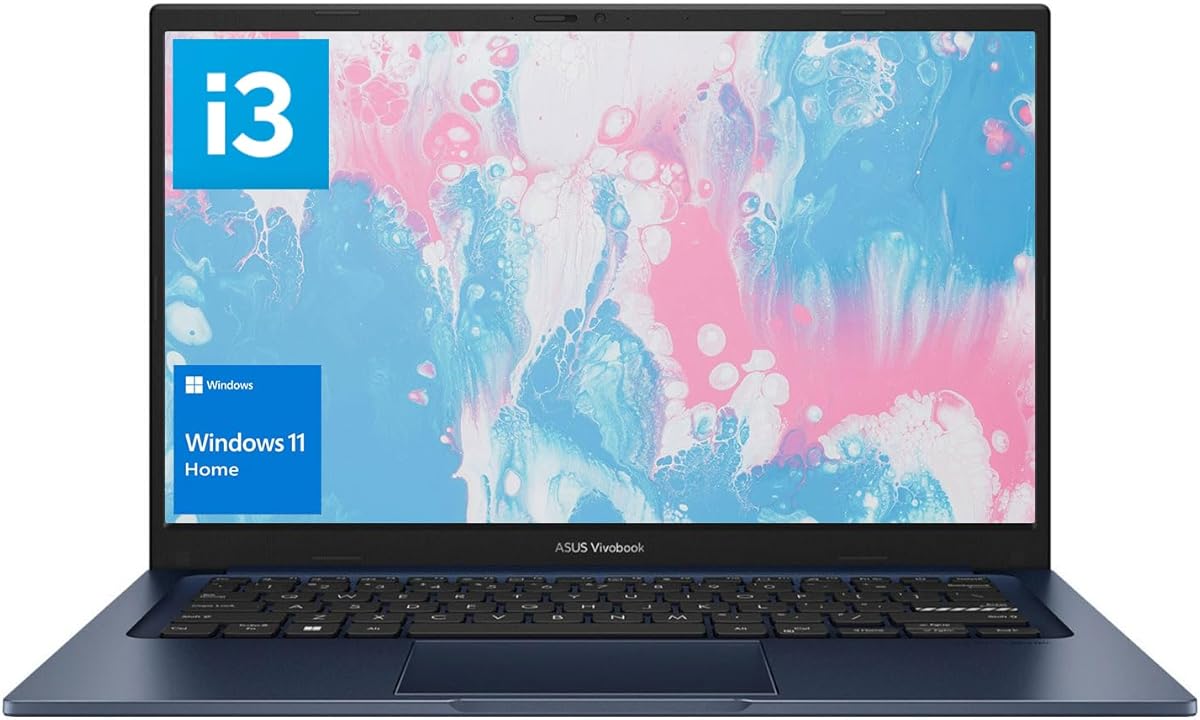
The ASUS Vivobook Laptop offers a unique value proposition by providing 16GB of RAM at an entry level price. This ensures that memory will not be a bottleneck even if you open many browser tabs or applications simultaneously.
We may earn a commission when you buy through this link, at no additional cost to you.
While the i3 processor is not the fastest, the high RAM and SSD compensate for many standard tasks. It is a practical choice for students who need to keep a machine running smoothly without spending a lot on the hardware.
Build quality is typical for budget models so handle it with care. The display is adequate for general use and the inclusion of Wi-Fi 6 keeps you connected efficiently on modern campus networks.
This laptop is a great pick for students who need high RAM for multitasking on a tight budget. It is suitable for general academics and light creative work but not for heavy computing tasks.
16GB of RAM allows for smooth multitasking without requiring an expensive upgrade later down the line.
Getting solid storage and memory at this price point makes it one of the best value options available.
We may earn a commission when you buy through this link, at no additional cost to you.
Selecting the right laptop involves balancing several factors to meet your specific academic needs. This guide breaks down the key elements you should consider before making your purchase.
The processor is the brain of your laptop and dictates how fast it runs applications. For most students, mid-range processors like the AMD Ryzen 5 or Intel Core 5 offer a perfect balance of speed and power efficiency. Higher end models with i7 or i9 chips are better for engineering or video editing tasks.
Look for processors that match your workload intensity to avoid paying for unnecessary power or suffering from slow performance.
RAM allows your laptop to run multiple programs at once without slowing down. 8GB is the minimum for basic use but 16GB is highly recommended for modern multitasking involving many browser tabs and documents. This ensures smooth switching between applications.
Aim for at least 16GB of RAM to future proof your device against growing software demands.
Storage holds your files, applications, and operating system. Solid State Drives (SSD) are standard now and provide much faster boot times than older hard drives. Students typically need at least 512GB to store projects and media comfortably.
Choose a model with enough SSD space to avoid relying heavily on external drives or cloud storage.
A good display reduces eye strain during long study sessions. Look for Full HD (1920×1080) resolution or higher. IPS panels offer better color accuracy and viewing angles which is helpful when sharing screens with classmates.
Prioritize a screen that offers sharp text and comfortable brightness levels for indoor use.
Portability is key for students who move between classes. Aim for a laptop that offers at least 8 to 10 hours of battery life on a single charge. This allows you to study throughout the day without hunting for outlets.
Check real world reviews to verify battery claims as usage patterns affect duration significantly.
Your laptop should withstand daily transport in a backpack. Look for models with solid construction and lightweight designs. Military grade durability standards are a plus as they indicate resistance to accidental bumps and drops.
A balance of durability and weight ensures you do not struggle with the device while carrying it around campus.
Modern laptops often have fewer ports so check what you need for peripherals. USB-C is essential for charging and data transfer. HDMI is useful for connecting to projectors or external monitors. Wi-Fi 6 ensures you stay connected to fast networks.
Ensure the laptop has the necessary ports for your specific peripheral needs to avoid buying extra adapters.
Determine your budget early to narrow down options efficiently. Entry level models suit basic needs while higher prices bring better speed and longevity. Consider how long you plan to keep the laptop to justify the investment.
Invest in a model that offers the best performance for your price range to maximize your return.
Keep your laptop cool by using it on flat hard surfaces. This prevents overheating which can reduce performance and battery life. If you work on soft surfaces like beds consider using a cooling pad or laptop stand for airflow.
Protect your device from moisture and extreme temperatures. Avoid using it in rainy conditions or leaving it in hot cars as heat can damage internal components. A protective sleeve adds an extra layer of safety during transport.
Update your software regularly to maintain security and performance. Windows updates often include patches for vulnerabilities and improvements to system stability. Regularly cleaning your temporary files can also keep your SSD running smoothly.
Engineering students typically need high processing power and memory. The ASUS Vivobook 15 with Intel Core i9 and 32GB RAM is ideal for simulations and heavy software. Ensure the device has robust cooling for sustained workloads.
Many ASUS Vivobook models meet military grade durability standards. This means they are tested to withstand drops and vibrations common in student environments. Handling with care and using a good case adds further protection for daily use.
Yes, most new ASUS models come with Windows 11 Home or Pro pre-installed. This ensures you have access to the latest features and security updates immediately upon unboxing. Always verify the specific edition on the product page.
For basic tasks like browsing and writing 8GB is sufficient but 16GB is better for longevity. More RAM helps when running multiple applications at once. If you plan to use this laptop for several years 16GB is a smart choice.
Mid to high range models can handle light to moderate video editing. The Vivobook 16 or Vivobook 15 with i9 are capable of editing 1080p footage. For professional 4K editing you might need a specialized workstation instead.
Average battery life ranges from 8 to 12 hours depending on the model and usage. Factors like screen brightness and open applications affect this duration. Always check specific reviews for real world estimates before buying.
We have explored ten excellent ASUS laptops that cater to different student needs and budgets. From budget friendly options to high performance machines, there is a model here for every academic requirement.
Prioritize the features that matter most to you such as screen size, battery life, or processing power. Selecting the right balance will ensure your device supports your studies effectively throughout the year.
Remember that prices and availability change often so check the latest details before buying. We hope this guide helps you find the perfect partner for your academic journey.