
JADENS Bluetooth Thermal Shipping Label Printer
4.4Editor score
Wireless Bluetooth connectivity
4×6 thermal printing support
Compatible with Linux systems
Finding a label printer that works seamlessly with Linux can be challenging. Many manufacturers focus on Windows and macOS, leaving open-source users with limited options for shipping and organization.
We analyzed compatibility, driver support, and user feedback to compile this list. Each product was evaluated for its ability to integrate with Linux distributions like Ubuntu and Debian without extra hurdles.
Every pick highlights specific strengths such as thermal printing or Bluetooth connectivity. Note that availability and pricing change frequently, so verify current details before purchasing your next device.
4.4Editor score

4.0Editor score
4.6Editor score
As an Amazon Associate we earn from qualifying purchases.
This side-by-side comparison highlights the key specifications of each model to help you choose the right device for your Linux workflow needs.


The iDPRT SP310 stands out as a reliable thermal label printer specifically noted for its compatibility with Linux systems. It offers a professional desktop solution that handles various label sizes with precision.
We may earn a commission when you buy through this link, at no additional cost to you.
Its dedicated drivers for Linux ensure smooth integration without needing complex workarounds. The 203 DPI print head delivers clear barcodes and text, which is essential for shipping and inventory tracking.
While it lacks Bluetooth connectivity, the solid USB connection prevents dropouts during heavy use. The proprietary software allows for customized layouts, though it is primarily focused on desktop environments.
This model is ideal for small business owners using open-source operating systems who need consistent performance. It balances speed and cost effectively for daily shipping tasks.
The printer includes individual desktop drivers tailored specifically for Linux to ensure seamless installation and reliable connectivity.
It supports a wide range of label widths from one inch to 3.35 inches allowing flexibility for various packaging needs.
We may earn a commission when you buy through this link, at no additional cost to you.
The JADENS Bluetooth Thermal Shipping Label Printer provides an accessible entry point for users needing 4×6 thermal printing. It is known for its ease of setup and reliable performance across multiple platforms.
We may earn a commission when you buy through this link, at no additional cost to you.
Users on Linux can connect via USB to ensure stability. The thermal technology eliminates the need for ink or toner reducing ongoing operational costs significantly.
The wireless capabilities are convenient but often require an app on mobile devices. Desktop users benefit from a direct USB connection that simplifies the printing workflow for shipping tasks.
This printer is recommended for small businesses or individuals looking for a cost-effective solution. It meets essential shipping requirements without compromising on print quality.
Bluetooth connectivity allows for flexible placement of the printer in your workspace without cable restrictions.
Direct thermal technology means you only need to purchase labels making it an economical choice for frequent printing.
We may earn a commission when you buy through this link, at no additional cost to you.
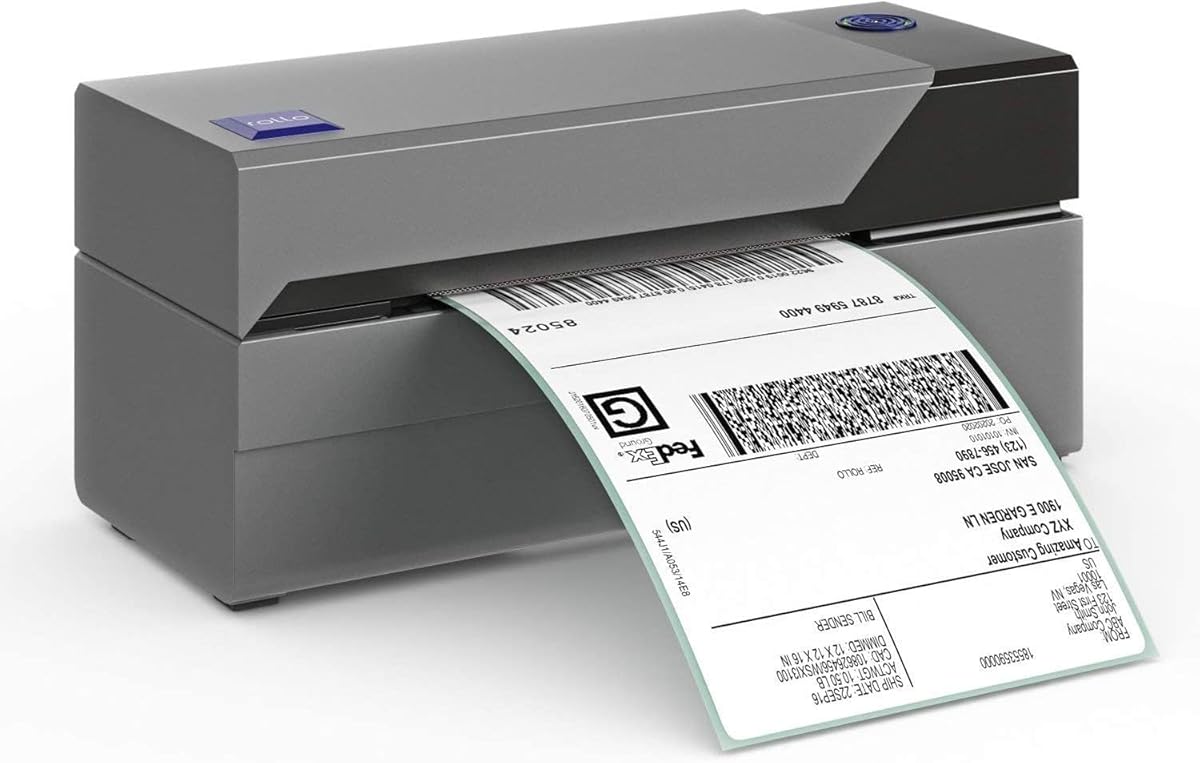
The Rollo USB Shipping Label Printer is built for high-volume commercial environments demanding reliability and speed. It supports a wide array of shipping platforms ensuring seamless workflow integration.
We may earn a commission when you buy through this link, at no additional cost to you.
Linux users appreciate its straightforward USB connectivity which minimizes compatibility issues. The direct thermal print head delivers clear and scannable labels consistently.
While it is priced higher than consumer models the build quality justifies the investment. It handles continuous printing tasks without overheating making it ideal for busy offices.
This device is best suited for businesses with significant shipping volumes. The speed and durability ensure that high tasks are completed efficiently and accurately.
Constructed to withstand daily heavy use the Rollo printer is designed for long-term reliability in professional settings.
It integrates smoothly with major platforms allowing users to print labels directly from their shipping management software.
We may earn a commission when you buy through this link, at no additional cost to you.
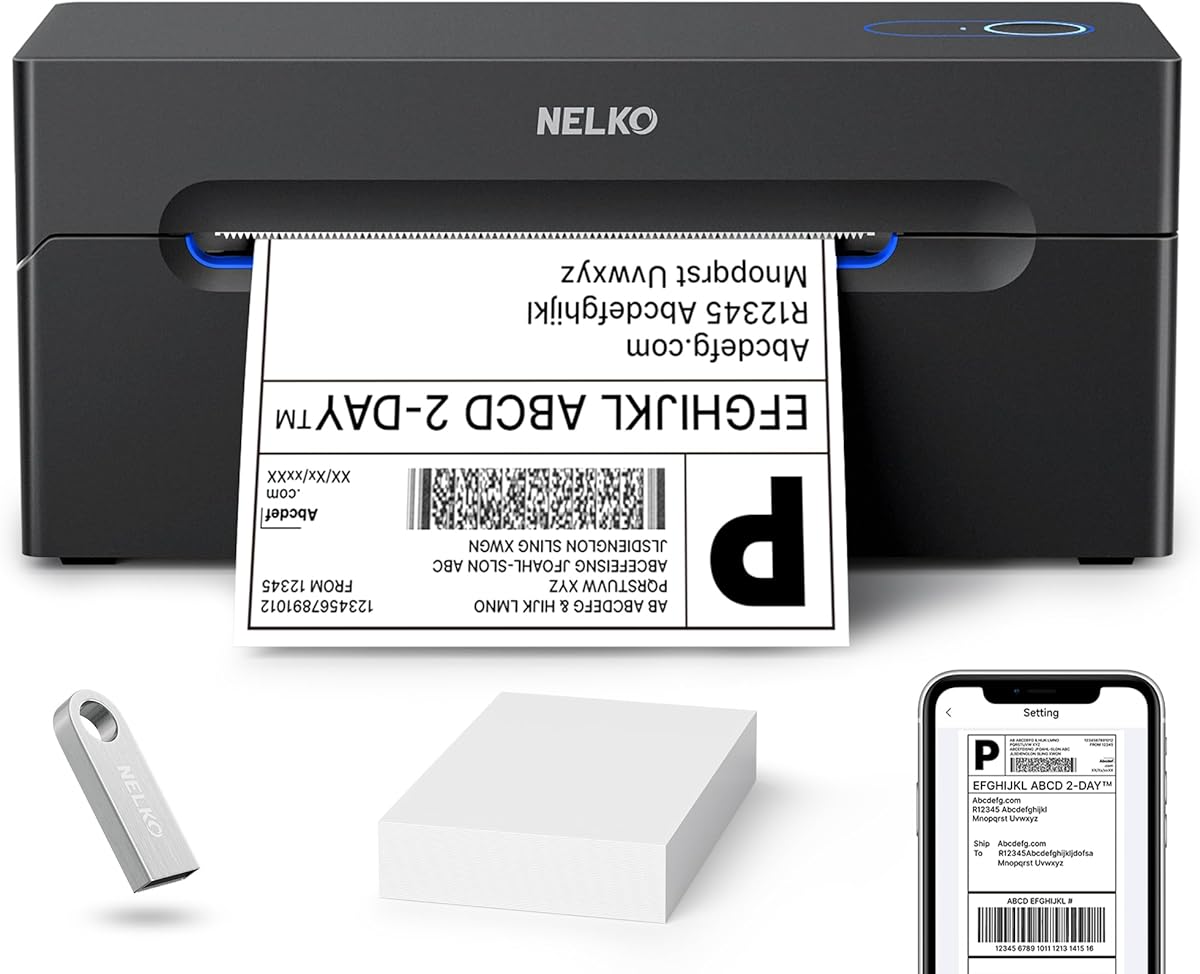
The Nelko Thermal Shipping Label Printer combines speed and portability for users needing a flexible printing solution. Its compact size makes it easy to store in small spaces.
We may earn a commission when you buy through this link, at no additional cost to you.
Linux compatibility is achieved through USB drivers which provide a stable connection for desktop printing. The thermal technology ensures no ink mess and quick label production.
The Bluetooth feature works best with mobile devices through a dedicated app. This adds convenience for on-the-go printing though desktop users should rely on USB.
This printer is suitable for home offices or light commercial use. It offers a balance of features that meet most shipping needs without breaking the budget.
The printer occupies minimal desk space making it ideal for workstations with limited room for equipment.
It works with various shipping platforms allowing users to save logistics labels as PDFs for easy printing.
We may earn a commission when you buy through this link, at no additional cost to you.
The Brother P-touch CUBE Plus is designed for creative labeling tasks rather than large shipping labels. It uses proprietary tape tapes for durable and stylish labels.
We may earn a commission when you buy through this link, at no additional cost to you.
Linux users may face limitations as the software is primarily designed for Windows and macOS. However the hardware itself is robust and portable for home use.
Bluetooth connectivity allows for easy label creation from mobile devices. The included starter tapes help users get started immediately with various designs and colors.
This device is best for organizing home offices or crafting projects. It is not intended for high-volume shipping due to its label size constraints.
A wide range of fonts and frames allows users to customize labels for personal or decorative purposes easily.
The built-in battery means you can print labels without being tethered to a power source at all times.
We may earn a commission when you buy through this link, at no additional cost to you.
The Brother QL-700 delivers professional speed with up to 93 labels printed per minute. It is designed for business environments where efficiency is critical.
We may earn a commission when you buy through this link, at no additional cost to you.
Linux support is available though it may require specific drivers for smooth operation. The printer accepts standard label rolls including continuous tapes for longer formats.
The auto cutter feature enhances workflow by trimming labels automatically. This reduces manual handling time and ensures clean edges for every print.
Ideal for medium volume users this printer balances speed and cost effectively. It is a strong choice for inventory management and address labeling.
Built-in cutting mechanisms automatically trim labels saving time and reducing manual effort during high volume tasks.
It supports various tape materials including glossy and matte finishes to suit different labeling requirements.
We may earn a commission when you buy through this link, at no additional cost to you.
The Brother QL-570 offers high resolution printing ensuring sharp text and detailed graphics. It is well suited for professional business applications.
We may earn a commission when you buy through this link, at no additional cost to you.
Linux users can leverage the included P-Touch software with necessary drivers. The printer provides reliable performance over long periods with minimal maintenance.
Its print speed is robust enough for small to medium business needs. The warranty coverage adds peace of mind for users investing in hardware.
This model is a dependable choice for consistent professional labeling. It combines quality output with a familiar interface for users.
The printer produces crisp labels with 300×600 DPI resolution suitable for professional presentation.
Included software tools help users create custom labels with ease without additional third-party applications.
We may earn a commission when you buy through this link, at no additional cost to you.
The SUPVAN T50M Pro is a compact label maker ideal for small office or home organization tasks. It connects via Bluetooth for convenient mobile editing.
We may earn a commission when you buy through this link, at no additional cost to you.
Linux integration is limited as the app is primarily mobile based. Users needing desktop drivers should consider thermal shipping printers for better compatibility.
It uses adhesive tapes that require no ink or toner. This makes it an economical choice for occasional labeling projects.
This device is perfect for tagging items and organizing shelves. It is not designed for postal or industrial shipping requirements.
The free app offers extensive editing options including fonts and icons for personalized labels.
Available in various shapes and sizes the tapes support multiple labeling needs from cables to jars.
We may earn a commission when you buy through this link, at no additional cost to you.
This Bluetooth Thermal Shipping Label Printer offers essential features for shipping and labeling at a competitive price. It works with Linux through standard USB connectivity.
We may earn a commission when you buy through this link, at no additional cost to you.
Mobile users rely on the Labelnize app for wireless printing. This requirement means direct Bluetooth pairing is not supported on computers.
The printer produces clear labels with a 203 DPI resolution suitable for barcodes. Its small footprint fits easily into home offices.
It is a solid choice for light commercial use or startups. Users should ensure they have the necessary drivers installed for smooth desktop operation.
Printing via mobile apps allows for flexible label creation without needing a computer connection.
The printer's small size helps keep workspaces organized by minimizing clutter.
We may earn a commission when you buy through this link, at no additional cost to you.
The Brother P-Touch PT-D610BT is a professional grade label maker with full keyboard input and Bluetooth. It allows multiple users to create labels from different devices.
We may earn a commission when you buy through this link, at no additional cost to you.
Linux compatibility is secondary compared to desktop systems but hardware connectivity works via USB. The device supports high resolution printing for clear logos and barcodes.
A large color display enables previewing labels before printing to ensure accuracy. The template library simplifies the creation of business specific labels.
This is an excellent tool for asset management and inventory tracking. It is not suited for shipping packages requiring larger labels.
The built-in keyboard allows for direct text entry without needing a computer connection.
Access to pre-loaded templates speeds up the creation of standardized business labels.
We may earn a commission when you buy through this link, at no additional cost to you.
Selecting the right label printer involves considering OS support, print speed, and label types.
Ensure the manufacturer provides Linux drivers or supports open-source protocols like CUPS. Without proper drivers, integration can be difficult.
Check for community support or open-source driver options if official support is limited.
Print speed affects productivity especially for high volume tasks. Look for models with at least 203 DPI for clear barcodes.
Higher speeds are essential for busy shipping environments to avoid bottlenecks.
Choose a printer that supports the label widths you need. Shipping labels typically require 4×6 inches while organization labels are smaller.
Thermal labels are cost effective as they require no ink or toner.
USB is the most reliable connection for Linux systems. Bluetooth can be convenient but often requires apps that may not support desktop OS.
Ethernet or Wi-Fi connectivity is available on some models for network printing.
Consider the cost of labels and ribbons over time. Proprietary systems may be more expensive than open systems.
Open systems allow the use of third-party labels reducing ongoing expenses significantly.
Commercial grade printers are built to withstand heavy use. Warranty terms provide protection for hardware failures.
Investing in a durable model can reduce maintenance costs and downtime.
Software for designing labels should integrate well with your workflow. Look for tools that support bulk imports and serialization.
Linux compatibility for design software is crucial for a seamless printing experience.
Portable models are useful for mobile workers or small offices. Bluetooth connectivity aids in this but may limit functionality.
Balance mobility with the need for consistent desktop connectivity.
Install the official drivers or configure CUPS to recognize your device. Ensure the USB connection is secure before starting the software.
Load labels carefully to avoid jams. Use the calibration feature if available to align the print head correctly.
Keep the printer head clean by wiping it with a soft cloth occasionally. Store labels in a cool dry place to prevent curling.
Not all thermal label printers support Linux natively. You should check the product documentation for specific driver availability. Some models rely on third-party open-source tools.
Bluetooth support varies by model. Many thermal printers require mobile apps for Bluetooth which may not work on desktop Linux. USB is often more reliable.
Standard shipping labels are typically 4×6 inches. Ensure your printer supports this width before purchasing to meet carrier requirements.
Most printers have a manual calibration process. Hold the feed button until the lights flash to allow the printer to detect label gaps.
Generic labels are usually cheaper than proprietary brands. Open systems allow you to use third-party labels reducing long-term costs.
Thermal printing is often more cost effective and faster. It eliminates the need for ink or toner cartridges which can be expensive.
The iDPRT SP310 offers a strong balance of Linux support and performance. It is a top choice for users needing reliable thermal printing on open-source systems.
Prioritize models with native drivers and open label systems to save on consumables. This ensures flexibility and long-term cost savings.
Always check the current compatibility details and pricing. Verify support before purchase to ensure a smooth integration with your workflow.