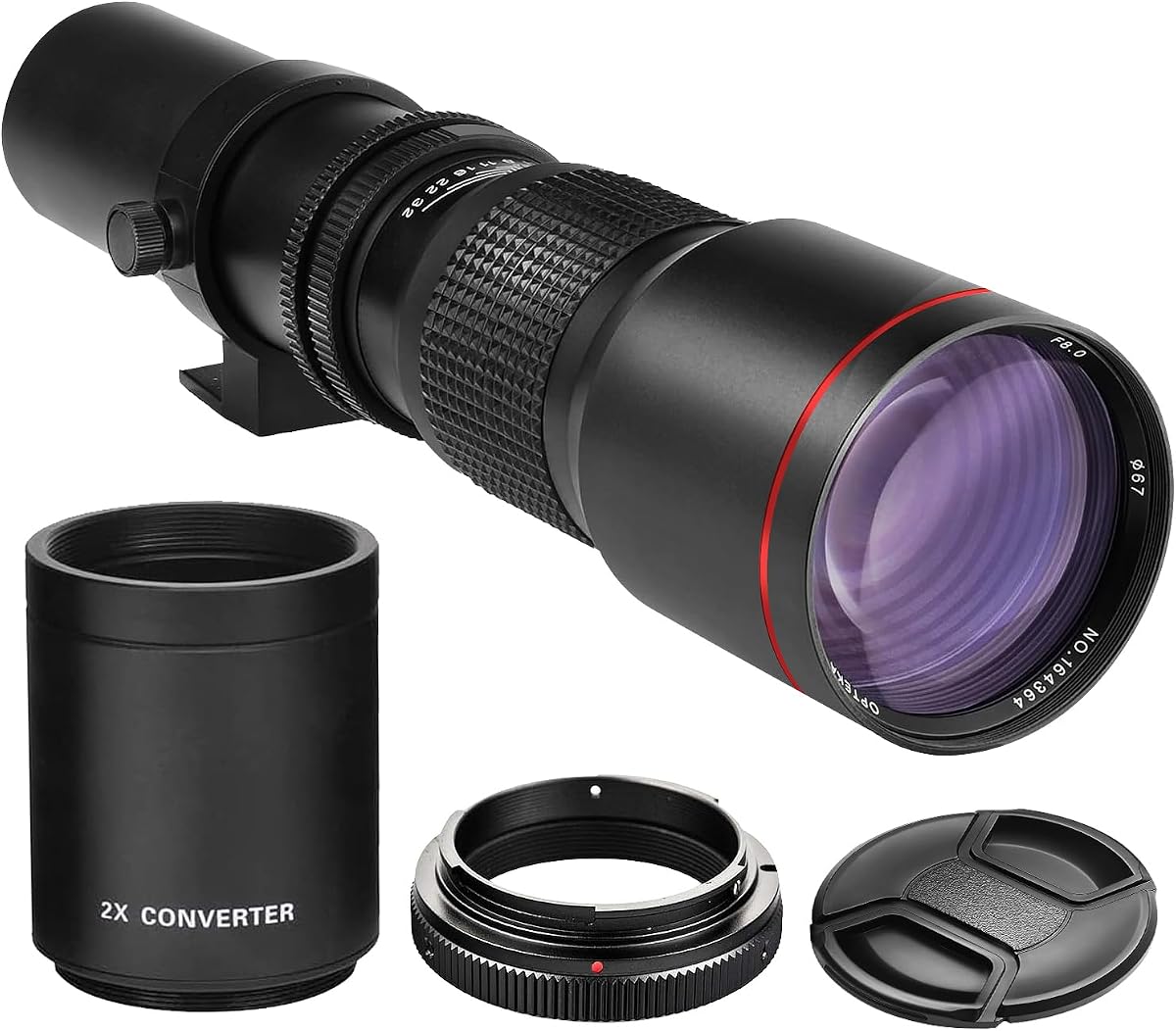
High-Power 500mm/1000mm f/8 Manual Telephoto Lens
4.0Editor score
Manual focus precision
Affordable price point
Compatible with Canon DSLRs
This guide compares ten top camera lenses for long distance wildlife photography, evaluating reach, stabilization, and image quality for serious nature
Capturing wildlife from a safe distance requires specialized optics that can bring distant subjects closer without compromising image quality. A good telephoto lens offers the reach and clarity needed to document animals in their natural habitats while maintaining sharp focus and vibrant colors even in challenging light conditions.
We have evaluated ten leading options available in the market today, focusing on their focal range, stabilization systems, autofocus speed, and build quality. This comparison includes both mirrorless and DSLR compatible lenses, ensuring that photographers using different camera systems can find a suitable tool for their specific needs and budget constraints.
Each pick highlights key strengths and potential trade-offs to help you make an informed decision based on your photography style and equipment. Please note that product availability and pricing can change frequently, so checking the latest listings before purchasing is always recommended to ensure you get the best current deal.
4.0Editor score
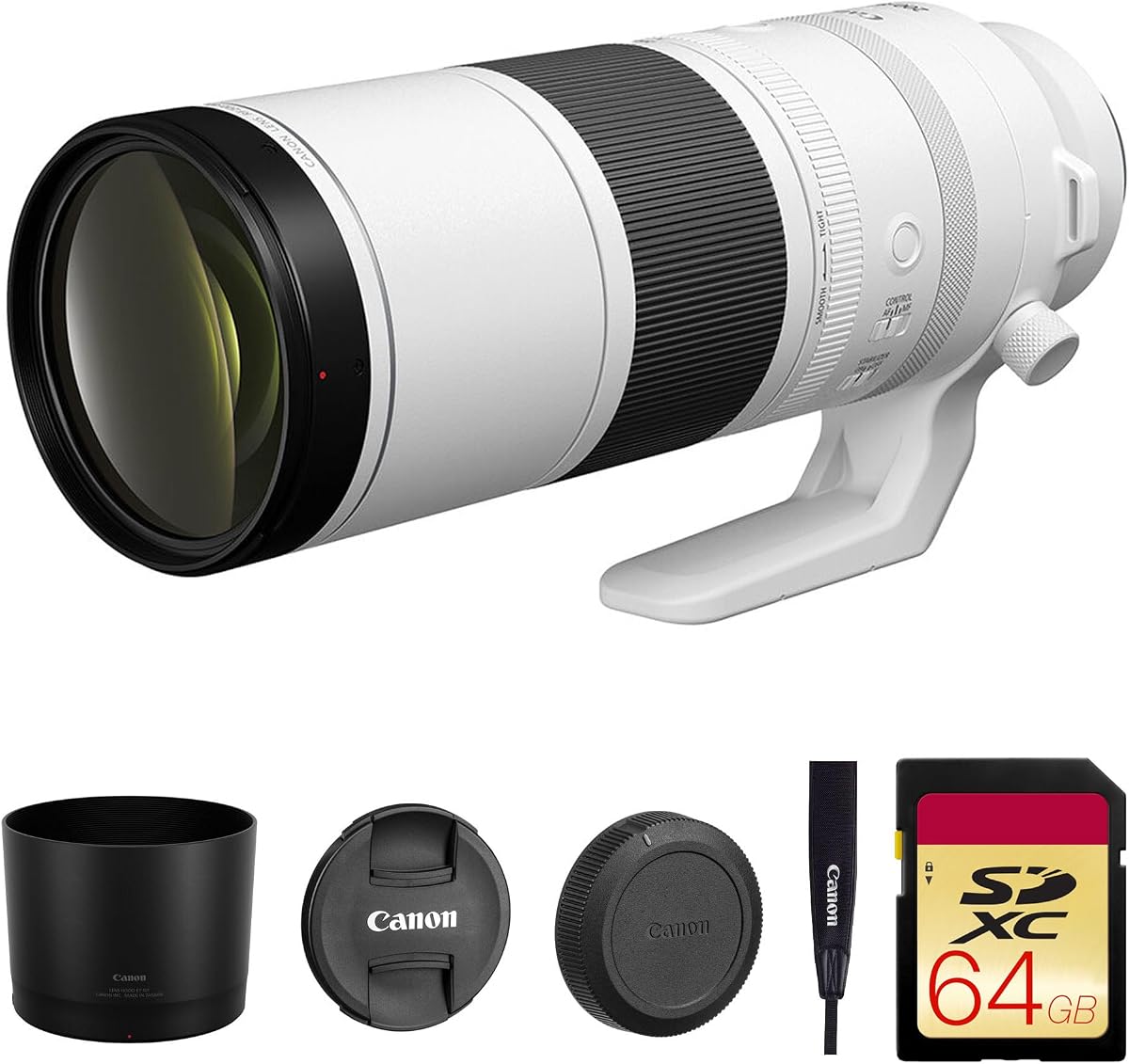
4.7Editor score

4.0Editor score
The following table provides a side-by-side comparison of all ten selected lenses, detailing their key specifications and compatibility to help you quickly identify the best match for your wildlife photography setup and specific shooting requirements.



This Canon RF lens stands out as a top choice for wildlife photographers needing extreme reach without sacrificing portability. With a 200mm to 800mm zoom range, it captures distant subjects clearly while maintaining a manageable weight for field use. The included SD card adds immediate value for those ready to shoot right out of the box.
We may earn a commission when you buy through this link, at no additional cost to you.
The built-in image stabilization ensures shake-free results even at full zoom, making handheld shooting viable in various conditions. Fast USM autofocus tracks moving subjects quietly and quickly, which is crucial for capturing fleeting wildlife moments. The lens is optimized for the RF mount, delivering high image quality across the entire focal range.
While the price is higher than many alternatives, the performance justifies the investment for serious photographers. The aperture does narrow to f/9 at 800mm, which may limit low-light use, but the stabilization compensates significantly. Overall, the trade-offs are minimal compared to the benefits of such extensive zoom flexibility.
Ideal for nature enthusiasts and birdwatchers who demand professional results without a tripod, this lens is a robust addition to any RF camera kit. We recommend it for those prioritizing reach and image stability in dynamic outdoor environments. Check current availability to ensure you get the bundle with included accessories.
The 200mm to 800mm range allows you to frame distant wildlife tightly without moving, perfect for sensitive species.
Built-in stabilization supports handheld shooting even at long focal lengths, reducing the need for heavy tripods.
We may earn a commission when you buy through this link, at no additional cost to you.
This lens brings unprecedented reach to mirrorless systems with a world-first autofocus super-telephoto zoom ending at 800mm. Its compact design makes it easier to carry during long hikes compared to traditional fixed telephoto options. The zoom range from 200mm to 800mm offers versatility for various wildlife scenarios.
We may earn a commission when you buy through this link, at no additional cost to you.
Compatible with extenders at all focal lengths, it extends reach further when needed. The optical design maintains high image quality throughout the zoom range, ensuring sharp photos. Lightweight construction allows for comfortable handheld shooting, reducing fatigue during extended use in the field.
Trade-offs include the need for a compatible RF mount body and a narrowing aperture at maximum zoom. However, the stability and speed make up for these limitations in most daylight wildlife scenarios. It is a strong choice for those invested in the Canon RF ecosystem.
Photographers seeking a versatile, high-quality zoom for wildlife and sports should consider this lens. It balances power and portability better than many competitors. Verify compatibility with your specific camera model before purchasing to ensure optimal performance.
Compatible with RF extenders, this lens can push beyond 800mm for even closer shots of elusive animals.
The optical design takes advantage of the RF mount to deliver sharp images across the full zoom range.
We may earn a commission when you buy through this link, at no additional cost to you.
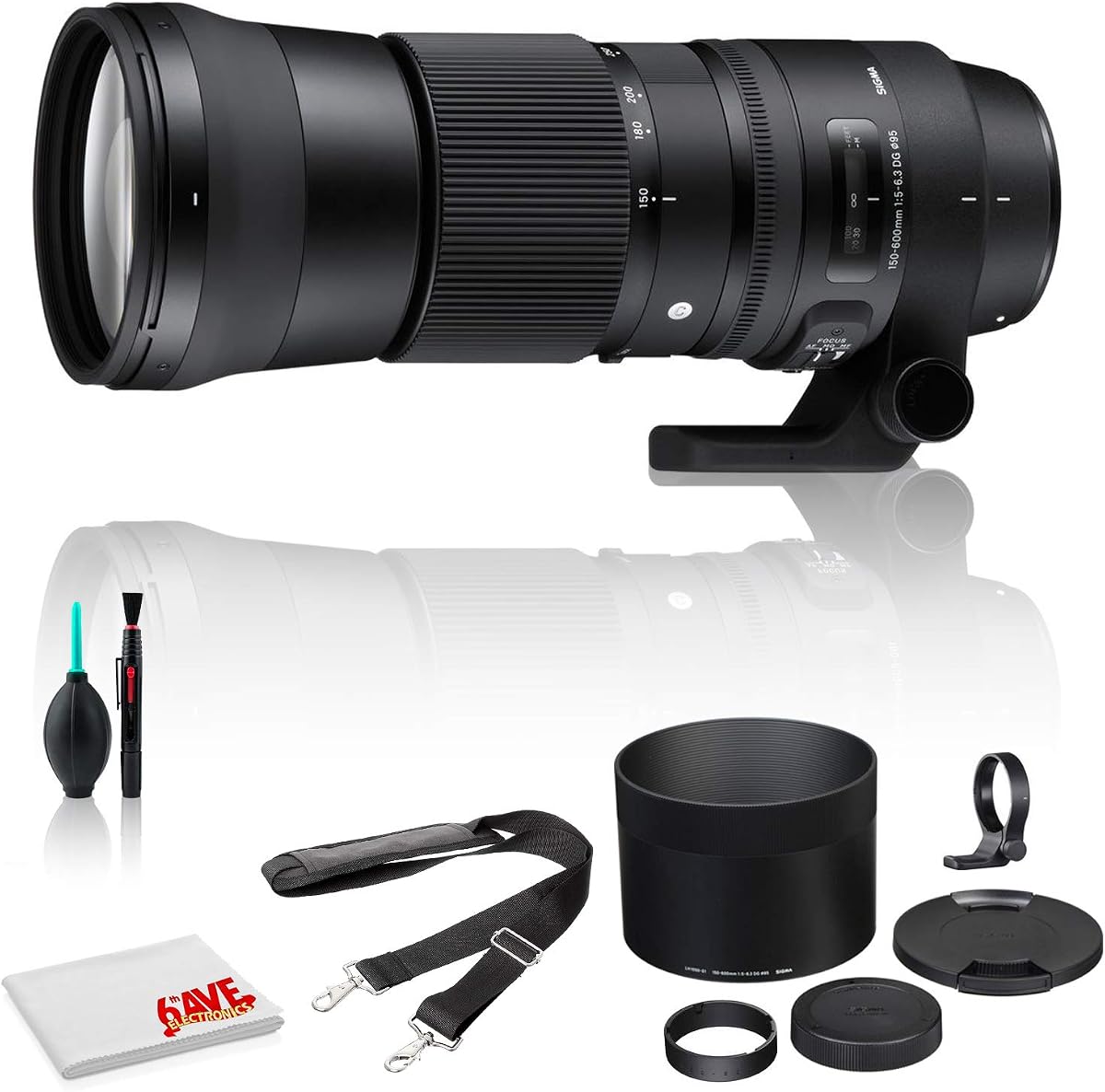
This Sigma lens offers a versatile 150mm to 600mm range for Canon EF mount users, ideal for wildlife and nature photography. It includes a deluxe cleaning kit, ensuring your gear stays in top condition. The optical stabilization helps manage camera shake at longer focal lengths effectively.
We may earn a commission when you buy through this link, at no additional cost to you.
The Hyper Sonic Motor provides fast and quiet autofocus, essential for tracking moving animals. One FLD and three SLD elements reduce aberrations for sharper images. The bundle value adds practical accessories to the package, making it a complete solution for photographers.
While heavier than some RF options, it remains a robust choice for DSLR users. The size may require a tripod for extended shooting, but the optical quality is commendable. Trade-offs are reasonable given the performance and included accessories.
Best for those using Canon DSLRs who need reliable zoom performance without breaking the bank. It pairs well with full-frame and APS-C sensors. Check the bundle contents before buying to confirm the cleaning kit is included.
The included cleaning kit ensures your lens stays pristine, adding value beyond just the optical performance.
Special elements minimize color fringing and improve clarity, delivering professional-level images in the field.
We may earn a commission when you buy through this link, at no additional cost to you.
For budget-conscious photographers, this manual lens offers incredible reach up to 1000mm at a fraction of the price of automatic options. It is designed for a wide range of Canon EOS DSLR models, ensuring broad compatibility. The manual focus allows precise control for static subjects.
We may earn a commission when you buy through this link, at no additional cost to you.
The 2X teleconverter doubles the power, bringing distant subjects closer than ever. It uses multi-coated optical glass to ensure sharp photos. The robust construction withstands outdoor rigors, making it a reliable companion for adventure photography without the high investment cost.
Trade-offs are significant for autofocus users, as it lacks automatic focusing and stabilization. However, for those willing to learn manual techniques, it provides unique creative control. It is best used with a tripod or stable surface due to the lack of stabilization.
Ideal for beginners or hobbyists wanting to experiment with extreme telephoto without high expenses. Check your camera compatibility carefully before purchase. Read reviews on manual handling to decide if this fits your shooting style.
Manual focus lets you fine-tune shots for maximum precision, especially for stationary wildlife scenes.
At an affordable price, it delivers 1000mm reach, making long-distance photography accessible to more people.
We may earn a commission when you buy through this link, at no additional cost to you.
This professional L-series lens is designed for wildlife and sports photographers who demand reliability and high image quality. It covers a 100mm to 400mm range with advanced optical construction. The bundle includes a filter kit and cap keeper, adding extra value to the purchase.
We may earn a commission when you buy through this link, at no additional cost to you.
Built-in optical image stabilization reduces shake, improving handheld performance. Ring-type USM autofocus delivers fast and precise focus. The removable rotating tripod collar supports balanced handling on mounts. It is compatible with teleconverters for extended reach.
The price reflects its professional status, and the weight might be a factor for travel. However, the image quality and durability justify the investment. Trade-offs are acceptable for those prioritizing consistent performance in demanding environments.
Ideal for serious photographers using Canon DSLRs who need a dependable telephoto solution. Check compatibility with your camera body. Ensure you have the proper mounts or support for the tripod collar.
Advanced elements minimize aberrations, ensuring sharp, high-contrast images even at full aperture.
The tripod collar and filter kit add professional convenience, making handling and protection easier.
We may earn a commission when you buy through this link, at no additional cost to you.
This lens pushes zoom capability to extreme limits with a reach up to 1600mm via a 2X teleconverter. It is designed for capturing distant wildlife clearly without moving closer. The HD optical glass ensures crisp details, highlighting subject matter effectively in manual operation.
We may earn a commission when you buy through this link, at no additional cost to you.
Compatibility with a wide range of Canon DSLR models makes it versatile for many users. The 420mm to 800mm base focal length provides good flexibility before using the converter. The price is accessible for those exploring extreme telephoto options without spending heavily.
Without autofocus or stabilization, steady hands and patience are required. It is best suited for static subjects or tripod use. The manual zoom can be tiring, but the reach is unmatched at this price point.
Best for photographers seeking maximum magnification on a tight budget. Verify your camera's mount compatibility before buying. Consider a tripod to manage the manual load and ensure stability.
The 2X converter doubles power to 1600mm, bringing you closer to distant wildlife than most lenses can.
High definition optical glass ensures photos are sharp and clear, bringing out details in your subjects.
We may earn a commission when you buy through this link, at no additional cost to you.
This RF lens offers a versatile 100-400mm range in a compact form factor, perfect for EOS R series users. It features an optical image stabilizer offering up to 5.5 stops of correction. The Nano USM motor ensures smooth and quiet autofocus for video and stills.
We may earn a commission when you buy through this link, at no additional cost to you.
The minimum focusing distance allows for some close-up shots at longer focal lengths. The lightweight design makes it easy to carry during travel or hiking. It is an excellent entry-level telephoto for mirrorless shooters seeking quality without bulk.
Trade-offs include a smaller maximum aperture compared to professional L-series lenses. It may struggle in very low light without high ISO settings. However, the stabilization and portability make up for these limits in daylight wildlife scenarios.
Ideal for travelers and casual wildlife photographers using Canon mirrorless cameras. Check your camera model for compatibility. It is a great balance of performance and ease of use for field work.
Nano USM delivers high speed and quiet focus, ideal for both video and photo capture.
Up to 5.5 stops of correction helps capture sharp images even when hand-holding at long reach.
We may earn a commission when you buy through this link, at no additional cost to you.
This classic lens provides a 75-300mm range suitable for beginners starting with wildlife photography. It is exceptionally light, weighing only 16.8 ounces, making it easy to carry anywhere. The zoom mechanism is smooth, allowing for quick adjustments in the field.
We may earn a commission when you buy through this link, at no additional cost to you.
Its compatibility with Canon SLR cameras is broad, covering many popular models. The front silver ring adds a touch of style to the design. The short focal length is manageable for casual shooting without heavy gear.
Lack of image stabilization and limited reach are key trade-offs. It may struggle with distant wildlife compared to longer options. However, for learning and budget reasons, it remains a solid entry point.
Best for beginners or those with lighter DSLR setups. Verify your camera body compatibility before purchasing. It is a good option for those prioritizing portability over extreme reach.
Lightweight and easy to use, it is a great first telephoto for those learning wildlife composition.
The zoom ring mechanism is improved for smooth adjustment, ensuring quick framing in the field.
We may earn a commission when you buy through this link, at no additional cost to you.
Designed for Nikon users, this lens offers a 200-500mm range with superior clarity and color precision. The bundle includes a filter kit and cleaning kit, adding significant value. Silent Wave Motor ensures rapid and accurate autofocus across the zoom spectrum.
We may earn a commission when you buy through this link, at no additional cost to you.
Vibration Reduction minimizes camera shake, providing up to 4.5 stops of stabilization. It is compatible with both DX and FX sensors, extending its utility. The rotating tripod collar provides stable support for vertical and horizontal shooting.
It is heavier than mirrorless options, requiring physical strength for handheld use. The price is mid-range compared to competitors. Trade-offs are reasonable given the bundle and robust performance for Nikon shooters.
Ideal for wildlife photographers using Nikon DSLRs who need a reliable telephoto. Check your camera sensor type for optimal performance. Ensure you have a tripod or monopod for extended sessions.
The included filter and cleaning kit make this a complete solution right out of the box.
VR stabilization helps keep shots sharp, even when shooting handheld in less than ideal light.
We may earn a commission when you buy through this link, at no additional cost to you.
This renewed option offers the classic 75-300mm performance at a reduced price, ideal for budget buyers. It features a DC autofocus motor for quick focus adjustments. The lens is in renewed condition, often tested and cleaned for quality assurance.
We may earn a commission when you buy through this link, at no additional cost to you.
Its lightweight build ensures it is easy to carry during long days in the field. The smooth zooming mechanism makes framing subjects straightforward. It is a great choice for those who want a familiar tool without the full retail price.
Being renewed means it may not include original packaging or accessories. The performance remains consistent with new models. Trade-offs are minimal for users comfortable with refurbished gear.
Best for entry-level photographers seeking value. Ensure the seller offers a warranty for added security. Check the return policy before buying to confirm satisfaction.
Renewed condition lowers the price significantly, making telephoto photography more accessible.
DC autofocus motor ensures consistent focus performance without the cost of a new unit.
We may earn a commission when you buy through this link, at no additional cost to you.
Selecting the right lens requires balancing reach, budget, and camera compatibility. Below are essential factors to consider for informed decisions.
Focal range determines how close you can get to distant subjects. For wildlife, 200mm to 600mm is standard, but 800mm+ offers better reach for elusive animals.
Choose a lens with at least 300mm equivalent on your camera to ensure you can frame subjects tightly without disturbing them.
Stabilization systems counteract camera shake, which is magnified at long focal lengths. Look for lenses with at least 4 stops of stabilization for handheld shooting.
Prioritize lenses with optical image stabilization if you plan to shoot handheld, as this significantly improves sharpness in the field.
Wildlife moves quickly, so fast and accurate autofocus is critical. Systems like USM or Silent Wave Motor provide rapid focus locking.
Select a lens with a quick AF motor to track moving animals without missing the shot.
Ensure the lens matches your camera's mount system, such as EF, RF, or Nikon F. Mismatched mounts may require adapters with reduced performance.
Check your camera model's supported mounts before buying to avoid compatibility issues.
Long lenses can be heavy and tiring to carry. Consider your physical comfort and whether you have support gear like tripods.
Lighter options are better for hiking, while heavier ones offer better build quality if you use a tripod.
Telephoto lenses vary widely in price. Determine how much you can spend and balance cost with features like stabilization and autofocus speed.
Set a budget range to narrow choices and prioritize essential features over extras.
High-quality optics reduce aberrations and ensure sharp, detailed images. Look for lenses with advanced elements like fluorite or SLD glass.
Opt for lenses with proven optical designs to get clear photos in various lighting conditions.
Some lenses come with filters, caps, or cleaning kits. These accessories add value and convenience for field use.
Check if a lens bundle includes useful items that save you from buying extras later.
Always use a tripod or monopod for heavy lenses to prevent fatigue and ensure stability during long shoots. This minimizes camera shake and keeps your images sharp.
Clean the lens surface gently with a microfiber cloth and a blower to remove dust and water droplets after each use. Avoid touching the glass with bare hands to prevent smudges.
Store the lens in a cool, dry place with the caps on to protect it from humidity and debris. Using a lens pouch adds an extra layer of protection during transport.
For wildlife, a focal range between 200mm and 600mm is often ideal. This allows you to get close enough to capture detail without getting too near to disturb the animals. Longer lenses above 800mm are excellent for very distant subjects.
Yes, image stabilization is crucial for handheld shooting with long lenses. It helps compensate for camera shake that becomes more noticeable at high zoom levels. Most top picks include stabilization to ensure sharp photos in various conditions.
Some options like the Canon RF series are designed for mirrorless bodies. Others with EF mounts may require an adapter to work with mirrorless systems. Always check the mount compatibility before purchasing.
Use a sturdy tripod or monopod to support the weight of a heavy telephoto lens. This reduces fatigue and improves image quality by preventing movement during the shot.
Budget options like manual lenses offer extreme reach at a low price. They are great for beginners or hobbyists willing to use manual focus. They may lack advanced features but deliver surprising results.
Keep the lens dry and clean by using a microfiber cloth and a blower. Store it in a protective case with caps on. Avoid exposing it to extreme temperatures or direct moisture.
A tripod collar provides balance and stability for heavy lenses on tripods. It makes switching between vertical and horizontal orientations easier. It is highly recommended for long sessions with heavy gear.
Most lenses work well with full-frame and APS-C DSLRs or mirrorless bodies. Check compatibility with your specific model. RF lenses require EOS R series cameras.
We reviewed ten top lenses ranging from premium RF options to budget manual choices. Each offers unique benefits for different camera systems and shooting styles.
Prioritize features like stabilization and autofocus speed if you shoot moving wildlife. Balance these with weight and budget to find the right fit for your needs.
Prices and availability change frequently, so always check current listings before buying. This ensures you get the best deal for your wildlife photography setup.