
Proster LCR Meter Multimeter
4.5Editor score
1999 max count display
Rotatable LCD screen
Complete test kit included
Compare the top ten Lcr Meter options for electronics repair and hobbyists, featuring detailed specs, ratings, and key features to help you choose the right
Finding the right Lcr Meter is essential for anyone working with electronic components. These devices measure inductance, capacitance, and resistance accurately. A good meter helps you verify parts before installing them in circuits.
We compared ten leading models based on accuracy, features, and ease of use. Our list includes handheld units for fieldwork and benchtop devices for labs. Each option offers unique benefits for different testing needs and budgets.
Each pick shows key specs, pros, and cons to guide your decision. Prices change frequently so check current listings before buying. Our goal is to help you find a reliable tool that fits your specific requirements perfectly.
4.5Editor score

4.7Editor score

4.4Editor score
This table provides a side-by-side overview of all ten models. It highlights key specifications like accuracy, frequency range, and display type. Use this to quickly identify which device matches your technical requirements and budget constraints.

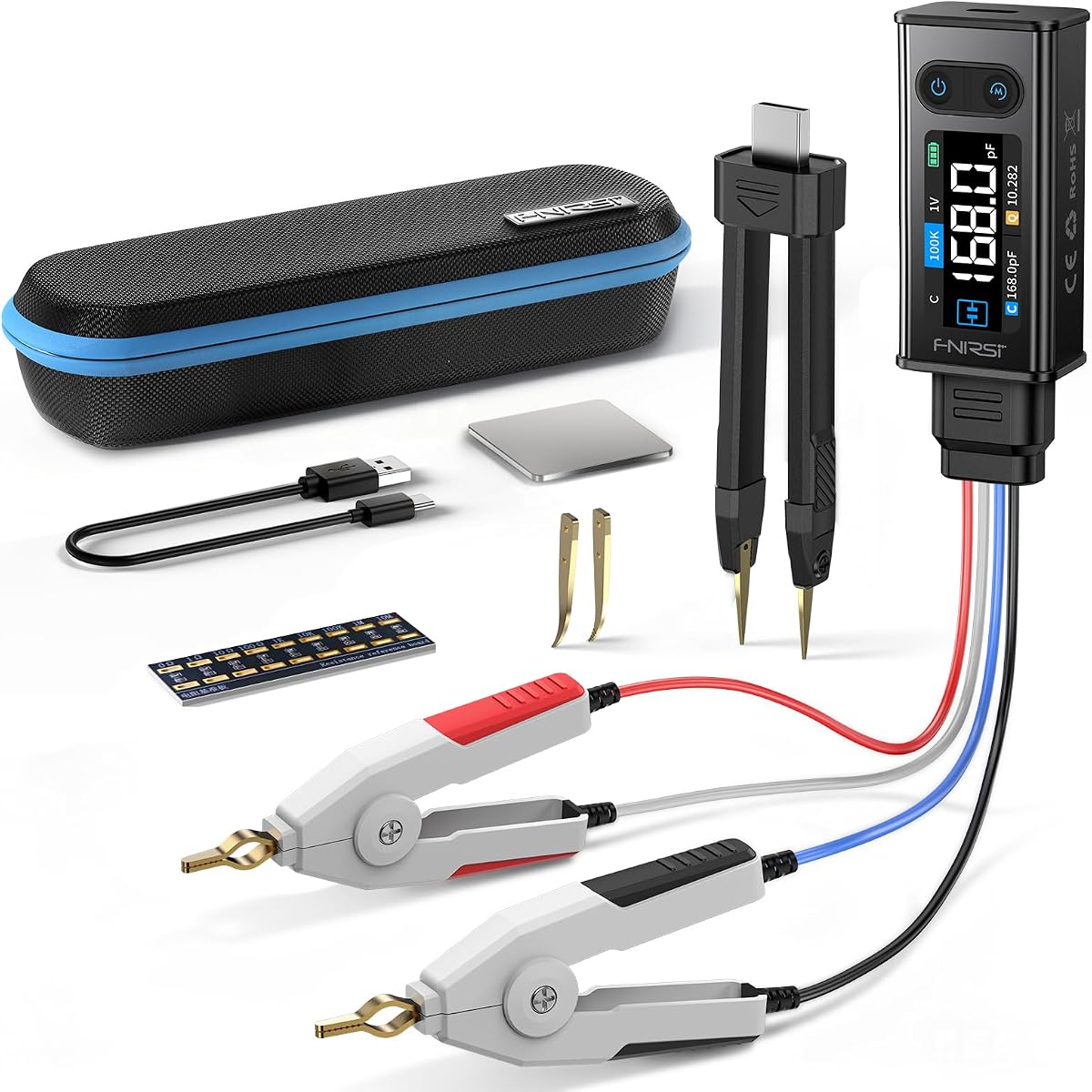


The FNIRSI LC1020E is a top-rated LCR meter designed for precision. It boasts a 4.7 rating and offers dual parameter displays for efficient testing.
We may earn a commission when you buy through this link, at no additional cost to you.
Its standout quality is the smart sorting mode which calculates relative errors automatically. This feature is ideal for bulk component screening in production environments.
While highly accurate, it requires users to perform open and short calibration regularly. This trade-off ensures measurements remain reliable over extended periods of use.
Electronics technicians and hobbyists should buy this for its balance of speed and accuracy. It is a strong recommendation for professional and serious amateur use.
You see main and secondary parameters like X, D, Q, and ESR simultaneously.
The meter alerts you via sound or LED when components fall outside tolerance.
We may earn a commission when you buy through this link, at no additional cost to you.
The DE-5000 is a classic handheld LCR meter known for reliability. It holds a 4.6 rating and is favored by many for its robust build quality.
We may earn a commission when you buy through this link, at no additional cost to you.
Its key strength lies in the fully auto ranging operation which simplifies measurements. Users can measure components without selecting specific function keys manually every time.
However the interface feels dated compared to newer models with color displays. This is acceptable given its proven track record and affordability in the market.
Technicians needing a durable field tool should consider this model. It remains a reliable choice for general electronic component testing tasks.
The meter automatically selects the correct range for AC impedance and DC resistance.
Use sorting mode to quickly sort batches of components by value.
We may earn a commission when you buy through this link, at no additional cost to you.
The MATRIX MCR5200 is a premium benchtop LCR meter offering high accuracy. It has a 4.4 rating and is designed for laboratory and R&D environments.
We may earn a commission when you buy through this link, at no additional cost to you.
Its key strength is the 0.1% basic accuracy which ensures precise component measurements. The ability to save data via USB or RS232C adds significant value for record keeping.
The large footprint and higher price might not suit all users. These trade-offs are acceptable for professional settings where precision and data logging are priorities.
Lab technicians and engineers should buy this for rigorous testing needs. It delivers stability and accuracy required for professional component verification tasks.
Save test conditions and results to a PC or USB stick easily.
Supports manual, hold, and automatic range calibration for better stability.
We may earn a commission when you buy through this link, at no additional cost to you.
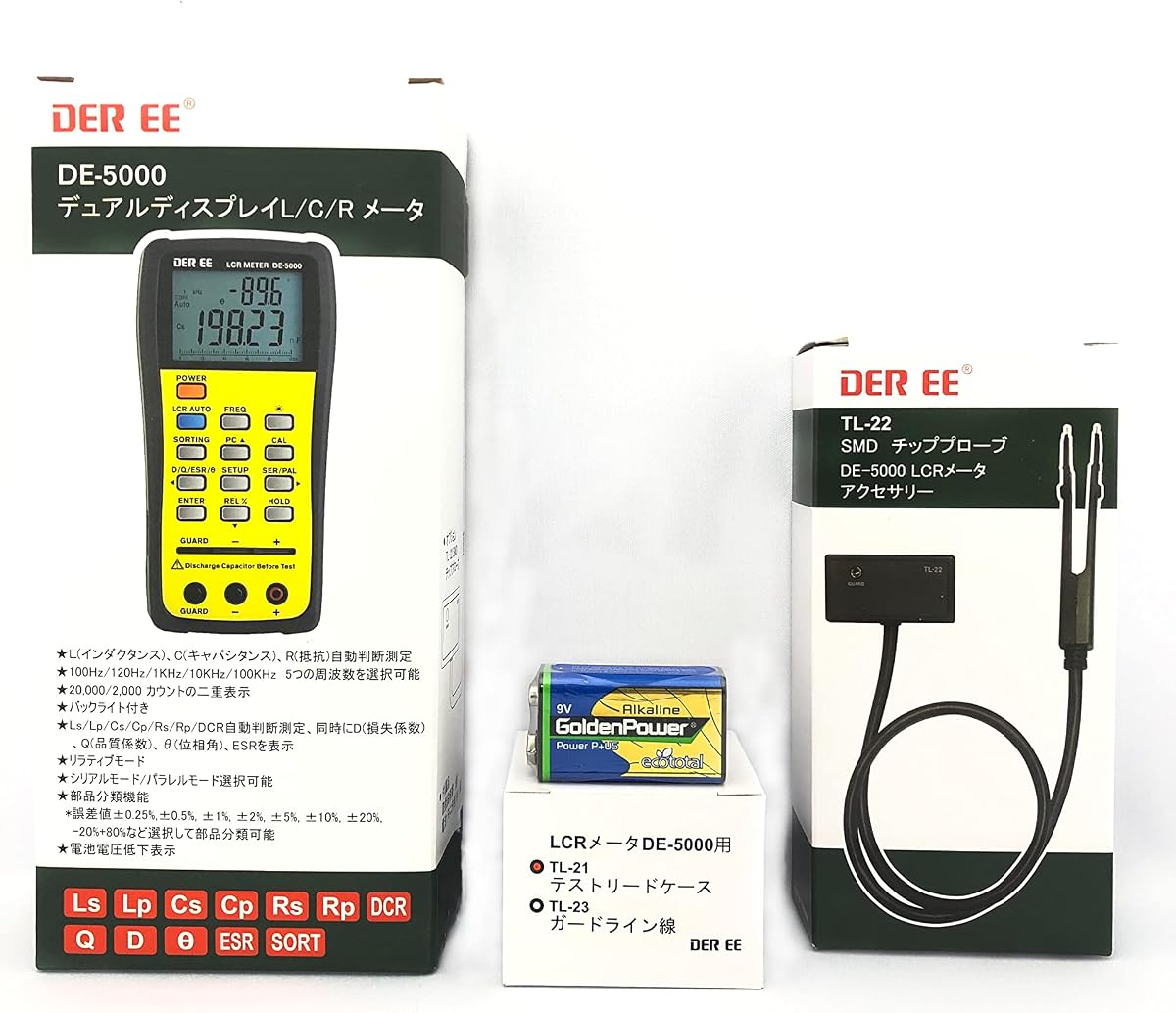
The De-5000 High Accuracy set provides a comprehensive testing solution. It has a 4.6 rating and comes with essential accessories like test leads and a case.
We may earn a commission when you buy through this link, at no additional cost to you.
Its key strength is the ISO 9001 certification which assures quality standards. The high resolution display and selectable tolerance settings make it versatile for various needs.
The lack of a color screen might be a downside for some users. This trade-off is acceptable given the completeness of the kit and accurate readings provided.
Hobbyists and repair techs should buy this for its all-in-one value. It offers a reliable way to test components without needing extra purchases.
Includes TL-21 alligator leads and TL-22 SMD leads for ready use.
Select from multiple tolerance levels to verify components precisely.
We may earn a commission when you buy through this link, at no additional cost to you.
The Proster LCR Meter is an affordable option for basic testing. It has a 4.5 rating and focuses on simplicity and ease of use.
We may earn a commission when you buy through this link, at no additional cost to you.
Its key strength is the rotatable LCD screen which allows reading from any angle. This is particularly useful when working in tight spaces or awkward positions.
It lacks advanced features like sorting or color display. This trade-off is acceptable for beginners who need reliable basic measurements at a low cost.
Students and hobbyists should buy this for entry-level component testing. It provides essential functions without a high financial commitment.
Tilt the screen to read comfortably without holding the meter.
Eliminate stray lead capacitance with the zero adj function.
We may earn a commission when you buy through this link, at no additional cost to you.
The FNIRSI LCR-ST2 is designed for testing small SMD components. It has a 4.3 rating and features built-in tweezers for convenience.
We may earn a commission when you buy through this link, at no additional cost to you.
Its key strength is the left and right hand mode which adapts to user preference. The built-in magnet helps keep the device secure on metal workbenches.
The screen is small and might be hard to read in bright light. This trade-off is acceptable given the specialized design for handling tiny components.
PCB repair technicians should buy this for its ease of use. It simplifies testing of SMD components without needing extra fixtures.
Test resistors and capacitors directly with the built-in probes.
High-strength rear magnet keeps the meter secure during use.
We may earn a commission when you buy through this link, at no additional cost to you.
The Peak Atlas LCR45 is known for its high resolution and frequency range. It has a 4.8 rating and offers precise measurements for demanding applications.
We may earn a commission when you buy through this link, at no additional cost to you.
Its key strength is the 0.2uH resolution which allows detailed inductance testing. The ability to test up to 200kHz makes it suitable for RF work.
The menu system can be complex for new users. This trade-off is acceptable for professionals who need detailed control over test parameters.
RF engineers and advanced hobbyists should buy this for precision. It offers the accuracy needed for specialized electronic troubleshooting.
Get precise readings with 0.2uH and 0.2pF resolution.
Choose automatic or manual component type and test frequency settings.
We may earn a commission when you buy through this link, at no additional cost to you.
The B&K Precision 879B features a dual display for clear reading. It has a 4.5 rating and is designed for general purpose component testing.
We may earn a commission when you buy through this link, at no additional cost to you.
Its key strength is the backlit display which ensures visibility in low light. The dual reading capability allows simultaneous view of primary and secondary parameters.
It lacks advanced sorting features found in other models. This trade-off is acceptable for users who prioritize clear display and basic universal measurement.
Field technicians should buy this for its reliable display and utility. It offers a solid performance for standard electrical testing tasks.
Read results easily in dark environments with the illuminated screen.
View count and secondary parameters at the same time efficiently.
We may earn a commission when you buy through this link, at no additional cost to you.
The Extech LCR200 offers strong calibration features and a built-in fixture. It has a 4.4 rating and is suitable for consistent testing workflows.
We may earn a commission when you buy through this link, at no additional cost to you.
Its key strength is the open and short calibration which eliminates stray impedance. This ensures accurate results even when changing test conditions frequently.
The unit is heavier than other handheld models. This trade-off is acceptable for those who prioritize measurement accuracy and built-in support features.
Quality control technicians should buy this for reliable component testing. It provides the tools needed for maintaining consistent measurement standards.
Use open and short calibration to eliminate stray impedance from readings.
Comes with a built-in test fixture for easy setup.
We may earn a commission when you buy through this link, at no additional cost to you.
The Pro1-100KHz boasts exceptional accuracy and integrated tweezers. It has a 5.0 rating and is ideal for high precision and easy handling.
We may earn a commission when you buy through this link, at no additional cost to you.
Its key strength is the 0.1% basic accuracy which ensures reliable results. The smart SMD tweezers simplify testing of small components significantly.
It may be harder to find compared to standard models. This trade-off is acceptable for those needing top-tier accuracy and convenience combined.
Advanced technicians and researchers should buy this for precision. It offers a unique combination of accuracy and ease of use.
Achieve precise measurements with 0.1% accuracy for R and L.
Test small SMD components efficiently with integrated tweezers.
We may earn a commission when you buy through this link, at no additional cost to you.
Choosing the right LCR meter requires understanding your specific testing needs. This guide covers key factors to help you select the best tool.
Accuracy is crucial for ensuring components meet specifications. Benchtop models often offer 0.1% accuracy while handhelds vary. Determine how precise your measurements need to be.
Look for meters with stated accuracy in the datasheet.
Different components behave differently at various frequencies. Ensure the meter covers frequencies relevant to your work like 100Hz to 100kHz. High frequency support is needed for RF applications.
Select a meter that matches your application frequency needs.
A clear display makes reading results easier. Dual displays show primary and secondary parameters simultaneously. Color TFT screens offer better contrast than standard LCDs.
Prioritize display clarity and size for comfort.
Handheld units are essential for fieldwork. Benchtop models stay on the workbench. Consider battery life and weight when choosing a portable option.
Choose handheld for field use and benchtop for labs.
Features like sorting modes and data saving add value. Sorting helps screen batches of parts. Data saving connects meters to PCs for record keeping.
Look for features that match your workflow needs.
Quality test leads affect measurement accuracy. Some meters include Kelvin clips for low resistance. SMD tweezers are helpful for small components.
Check if accessories are included or sold separately.
Calibration ensures accuracy over time. Open and short calibration are standard. Some models allow manual or automatic calibration.
Ensure the meter supports easy calibration routines.
Prices vary widely from budget to premium models. Set a budget range based on your needs. Higher cost often means better accuracy or features.
Balance cost against the features you need.
Start by performing open and short calibration before taking measurements. This removes errors from test leads and ensures accurate readings.
Use the correct test frequency for the component type. Lower frequencies suit capacitors and higher frequencies suit inductors.
Keep the meter clean and store it in a dry place. Avoid exposure to moisture or extreme temperatures.
An LCR meter measures inductance, capacitance, and resistance. It helps verify electronic components before use. It is essential for repair and design work.
Multimeters measure resistance but not inductance or capacitance well. LCR meters provide detailed analysis of reactive components. They offer higher accuracy for specific tests.
Lower frequencies like 100Hz or 120Hz are best for electrolytic capacitors. Higher frequencies suit ceramic capacitors. Always match frequency to the component type.
Yes, calibration ensures accuracy. Perform open and short calibration regularly. This compensates for lead impedance and environmental factors.
Series mode is used for low impedance components. Parallel mode is better for high impedance. Choose based on the component being tested.
No, LCR meters should not test live circuits. They are designed for passive components only. Power off circuits to avoid damage or injury.
Look for battery life, display clarity, and test lead quality. Ensure it fits your needs for portability. Check for durability if using it in the field.
The FNIRSI LC1020E offers the best balance of features. The Proster LCR Meter is great for tight budgets. The MATRIX MCR5200 leads for lab precision.
Prioritize accuracy and features that match your work. Consider portability if you work on site often. Ensure the meter meets your frequency requirements.
Prices change frequently so check current listings before buying. Our goal is to help you find a tool that fits your specific needs perfectly.