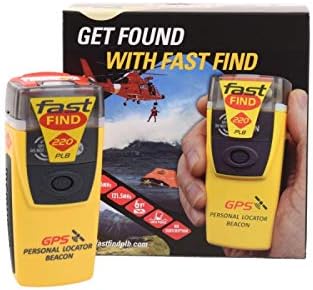
McMurdo FastFind 220
4.5Editor score
US programming included
Simple activation process
Compact design
This guide compares the top locator beacon for hiking the Pct options including PLBs and satellite communicators for safety and connectivity on the trail.
When hiking the Pacific Crest Trail, reliable emergency communication is essential for safety. A locator beacon for hiking the Pct ensures you can summon help when cellular signals fail in remote wilderness areas. These devices send GPS coordinates to rescue teams, providing peace of mind during long treks.
We evaluated ten top-rated devices based on reliability, battery life, ease of use, and global coverage. Our analysis includes Personal Locator Beacons and satellite communicators suitable for rugged backcountry environments. Each product offers unique features to meet different needs for solo hikers and groups.
Each pick highlights key specifications, pros, cons, and ideal use cases to help you decide. Prices and availability fluctuate, so verify current details before purchasing. This guide empowers you to choose the right safety tool for your next adventure on the Pct.
4.5Editor score

4.8Editor score

4.6Editor score
This table provides a side-by-side comparison of all ten locator beacons and satellite communicators evaluated for Pct hiking. Compare key specifications like battery life, connectivity options, and ease of activation to find the right fit for your safety needs.


The ACR ResQLink View RLS PLB stands out with its Return Link Service feature, confirming rescue teams received your distress signal. With a 4.8 rating, it offers reliable GPS positioning using multiple satellite constellations for global coverage during emergencies.
We may earn a commission when you buy through this link, at no additional cost to you.
Its digital display and infrared strobe enhance visibility in critical moments. The 5-year battery life ensures readiness for extended trips without worrying about recharging. Buoyancy and multifunction clips make it secure and easy to carry on packs.
While it lacks two-way messaging, the confirmation link alleviates anxiety about signal transmission. The subscription-free model makes it cost-effective over time compared to communicators requiring monthly fees for basic safety.
Ideal for solo hikers prioritizing simplicity and reliability on the Pct. This device provides essential peace of mind knowing help is notified directly via government satellites without intermediary monitoring centers.
Return Link Service provides immediate confirmation that rescue teams received your SOS signal, reducing uncertainty during critical moments on the trail.
With a 5-year battery life and 28 hours of operational time, you can trust it to function after years of storage in your pack.
We may earn a commission when you buy through this link, at no additional cost to you.
The McMurdo FastFind 220 offers essential safety features at a competitive price point. Pre-programmed with US country code, it ensures quick registration and identification by authorities. Its simple design focuses on reliability during grave emergencies on the trail.
We may earn a commission when you buy through this link, at no additional cost to you.
Activating this PLB involves deploying the antenna and pulling the anti-tamper seal. This straightforward process minimizes confusion under stress. Global coverage ensures signals reach rescue centers regardless of remote Pct locations where cellular service is absent.
While it lacks advanced communication features, the focus on core functionality ensures it works when needed most. The compact size fits easily in any emergency kit without adding unnecessary bulk to your gear.
Perfect for budget-conscious hikers needing a reliable safety backup. It provides critical life-saving connectivity without subscription costs, making it a practical choice for occasional long-distance trips.
The anti-tamper seal and single-button activation ensure the device is easy to use even in high-stress emergency situations without complex menus.
Affordable pricing combined with no monthly subscription fees makes this beacon accessible for hikers prioritizing basic emergency safety over communication features.
We may earn a commission when you buy through this link, at no additional cost to you.
The Garmin inReach Mini 2 combines essential emergency tools with robust communication features ideal for the Pct. It enables two-way messaging via the Iridium network, allowing you to coordinate rescues or check-in with family remotely.
We may earn a commission when you buy through this link, at no additional cost to you.
With TracBack routing and a digital compass, it aids navigation beyond SOS alerts. Interactive SOS alerts connect to a dedicated 24/7 response center. The compact design fits easily on packs while remaining rugged against environmental conditions.
Battery life extends up to 14 days in 10-minute tracking mode. However, frequent messaging reduces runtime. Subscription plans offer flexibility but add ongoing costs compared to non-subscription PLBs for simple emergencies.
Best for hikers needing regular connectivity alongside emergency safety. It transforms your safety gear into a comprehensive communication tool, ensuring constant contact even in the remotest sections of the Pacific Crest Trail.
Unlike traditional PLBs, this device allows sending and receiving text messages, keeping you informed and connected with loved ones throughout your trip.
Built-in digital compass and TracBack routing help you navigate safely even without smartphone integration, enhancing route-finding on unfamiliar trail sections.
We may earn a commission when you buy through this link, at no additional cost to you.
The ACR ResQLink View PLB425 provides reliable emergency signaling with GPS positioning via the COSPAS-SARSAT network. Its 4.6 rating reflects trust in its rugged design and global coverage capabilities for remote hiking adventures like the Pct.
We may earn a commission when you buy through this link, at no additional cost to you.
Bright LED and infrared strobes help rescuers locate you visually. Buoyancy allows usage near water sources often found along the trail. Customizable test messages via optional subscription ensure functionality without compromising core emergency performance.
While slightly heavier than modern competitors, its durability and attachment options offer versatile carrying solutions. The lack of subscription fees ensures no ongoing costs once purchased. It remains a solid choice for straightforward SOS needs.
Ideal for hikers prioritizing visual search aids and buoyancy. It combines essential distress signaling with practical design features ensuring you remain visible and locatable during critical search and rescue operations anywhere globally.
Bright LED and infrared strobes provide high-visibility signals for rescuers, complementing GPS coordinates to speed up location acquisition in emergencies.
Designed to float and clip easily onto gear, ensuring it stays attached even during accidental drops near streams or rivers along the trail.
We may earn a commission when you buy through this link, at no additional cost to you.
ZOLEO connects your smartphone to the Iridium satellite network for reliable texting beyond cellular coverage. With unlimited check-ins and emergency SOS alerts, it offers peace of mind for long-distance hikers on the Pct needing regular updates.
We may earn a commission when you buy through this link, at no additional cost to you.
Over 200 hours of battery life ensures extended usability during trips. Rugged IP68 rating protects against harsh elements. Access to medical assistance and weather forecasts adds extra value for comprehensive trip safety planning.
Monthly plans start affordably, making it cost-effective for shorter trips. Dedicated SMS numbers allow contacts to reach you directly without needing an app. However, smartphone dependency limits standalone usage if devices fail or lose power.
Best for hikers already using smartphones who want seamless messaging. It bridges the gap between standard phone apps and dedicated satellite devices, offering user-friendly interface for staying connected without heavy equipment.
By pairing with your phone, ZOLEO uses familiar messaging interfaces to send texts and emails via satellite without needing specialized hardware interfaces.
Beyond SOS alerts, access to medical assistance and weather forecasts provides broader support for managing unexpected situations during your hike.
We may earn a commission when you buy through this link, at no additional cost to you.
The Ocean Signal rescueME PLB1 redefines portability with a design 30% smaller than competitors. Its one-handed operation ensures activation even when injured or under stress. The waterproof rating and durable construction handle extreme trail conditions effortlessly.
We may earn a commission when you buy through this link, at no additional cost to you.
High-intensity strobe and GPS ensure accurate location tracking during searches. Over 24 hours of operational life covers extended rescue scenarios. No subscription fees align with traditional PLB benefits for simple emergency signaling without ongoing costs.
While smaller size may affect grip, it balances easily on small packs. The compact form reduces bulk, appealing to minimalist hikers prioritizing weight. It delivers critical functionality in a tiny package without compromising signal reliability.
Ideal for ultralight backpackers needing emergency backup. This beacon proves safety devices need not be bulky, offering high performance in a discreet format that integrates seamlessly into any emergency kit setup.
Weighing just 4 oz and 30% smaller than similar models, it saves crucial space and weight for ultralight hikers on long distance trails.
One-handed operation ensures you can trigger SOS instantly without needing two hands, vital during emergencies or if injured on the trail.
We may earn a commission when you buy through this link, at no additional cost to you.
This bundle provides the Garmin inReach Mini 2 with essential accessories for immediate deployment. Charging adapters and cables ensure you power the device for trips without needing extra purchases. The 4.6 rating confirms consistent performance in communication and safety features.
We may earn a commission when you buy through this link, at no additional cost to you.
Military standard durability and IPX7 water resistance protect against environmental stress. TracBack routing and weather updates aid navigation alongside emergency alerts. Two-way messaging allows continuous updates to home base during long hiking stretches.
While more expensive than standalone units, the included power solutions add value for beginners. Some may find accessories redundant, but they ensure reliability for those lacking spare charging gear. Battery life reaches 30 days with reduced tracking frequency.
Perfect for hikers needing an all-in-one safety solution. It simplifies setup by providing necessary power and cleaning tools, ensuring you start your Pct adventure with fully equipped communication capabilities right out of the box.
Includes essential charging cables and adapters, ensuring you have power solutions ready for extended trips without purchasing additional components separately.
Built to MIL-STD-810 standards and IPX7 water resistant, it withstands rugged outdoor conditions and accidental drops without performance degradation.
We may earn a commission when you buy through this link, at no additional cost to you.
The renewed Garmin inReach Mini offers similar features to newer models at a reduced cost. It enables two-way messaging and interactive SOS alerts via Iridium network coverage. While older, it remains robust for hiking needs with proven track record in backcountry environments.
We may earn a commission when you buy through this link, at no additional cost to you.
Downloadable maps and NOAA charts aid navigation. Optional weather packages provide updates directly to device. Its lightweight design reduces pack weight while maintaining ruggedness necessary for wilderness travel. Suitable for those on budget needing core messaging capabilities.
Battery life might vary due to renewed status, but functionality remains intact. It lacks newer features like digital compass or advanced tracking intervals. However, core emergency features and communication channels operate effectively as intended.
Best for budget shoppers seeking reliable messaging. It bridges the gap between affordable PLBs and premium communicators, offering essential connectivity without the latest refinements found in more expensive successors.
Choosing a renewed unit provides access to proven satellite technology at a lower entry point while still retaining essential safety messaging features.
Despite being an older model, it retains the core reliability that made the inReach line popular among long distance hikers globally.
We may earn a commission when you buy through this link, at no additional cost to you.
The Motorola Defy acts as a satellite add-on for smartphones, enabling texting beyond cellular range. Its low monthly fees and compatibility with Android and iOS make it accessible for casual hikers needing occasional emergency coverage during Pct trips.
We may earn a commission when you buy through this link, at no additional cost to you.
Check-in button ensures easy location sharing. Unlimited SOS included in service plans provides safety without extra charges. Compact and rugged housing withstands outdoor conditions. It integrates seamlessly into standard hiking packs without specialized mounting gear.
However, reliance on smartphone battery limits standalone utility. If phone dies, communication stops. Features are basic compared to dedicated communicators, lacking offline maps or detailed navigation. Still effective for simple messaging needs on short trips.
Ideal for hikers already equipped with smartphones wanting extra range. It extends connectivity affordably without buying a full communicator. Best for those prioritizing cost over advanced standalone capabilities during their outdoor adventures.
Service plans start low, offering an accessible entry point for hikers needing basic satellite texting without high monthly fees of full communicators.
Using your smartphone for messaging means no new learning curve, as the device connects through familiar apps and standard text interfaces.
We may earn a commission when you buy through this link, at no additional cost to you.
The ACR Bivy Stick pairs with a dedicated app to offer comprehensive communication. Features include two-way messaging, GPS tracking, and offline maps for Pct navigation. Its 3.8 rating reflects good utility though some find app reliance high for emergency alerts.
We may earn a commission when you buy through this link, at no additional cost to you.
GroupTrack enables tracking up to 12 hikers simultaneously. Weather updates and dedicated phone numbers enhance usability. Monthly and annual plans offer flexibility for seasonal adventurers. The rugged design withstands outdoor environments effectively during extended use.
App reliance means you need a smartphone to unlock full capabilities. Standalone SOS works, but features like email require connectivity. For tech-savvy hikers, this integration adds convenience without carrying multiple devices during long distance treks.
Best for groups needing coordination and detailed trip tracking. It combines communication tools into one platform, simplifying logistics. Ideal for hikers who prioritize detailed tracking and digital integration over standalone simplicity.
Track up to 12 group members simultaneously using Bivy Stick, making it ideal for team treks and organized hiking parties.
Integrated smartphone apps allow detailed trip planning and live updates, merging digital tools with hardware for seamless outdoor communication.
We may earn a commission when you buy through this link, at no additional cost to you.
Choosing the right locator beacon depends on your communication needs, budget, and trip duration. This section explores critical factors to ensure you select a device that enhances safety on the Pacific Crest Trail.
Personal Locator Beacons (PLBs) send one-way SOS signals directly to rescue services without subscription fees. They are reliable and straightforward for emergencies. Satellite communicators like Garmin inReach offer two-way texting, allowing check-ins and updates with family, but require monthly subscriptions. Decide whether you need just rescue signaling or ongoing communication.
If you prioritize minimal cost and simplicity, choose a PLB. If staying connected with loved ones is important, opt for a satellite communicator despite added fees.
Battery life varies significantly between PLBs and communicators. PLBs often have batteries lasting 5+ years with standby life, ensuring readiness. Communicators offer days of active use depending on tracking intervals and messaging frequency. Consider how long you plan to be on the trail and whether recharging is feasible.
Choose a device with battery life matching your trip duration. For long treks, ensure recharge options or sufficient standby capacity to avoid power loss before rescue.
Weight impacts comfort on long hikes. PLBs are generally lighter and more compact, fitting easily in emergency kits. Some communicators offer small sizes but include extra features adding bulk. Look for buoyancy and attachment clips to secure the device to your pack.
Prioritize compact designs if packing light. Ensure the device can attach securely to your gear so it remains accessible during emergencies without hindering movement.
Ensure the device uses satellite networks with global coverage. COSPAS-SARSAT satellites serve PLBs worldwide. Iridium and other networks cover communicators. Check if your chosen device works across continents if traveling beyond the US. Global coverage prevents communication gaps in remote trail sections.
Verify network compatibility with your hiking route. Global satellite support ensures you remain reachable even in isolated wilderness areas far from cellular towers.
In emergencies, intuitive operation is critical. Look for simple activation methods like pull-seals or single buttons. Some devices feature displays or infrared strobes for better visibility. Avoid complex menus that slow down SOS initiation. One-handed use is advantageous when injured.
Test the device's usability before trips. Familiarize yourself with activation steps to ensure quick response during stressful situations. Simpler interfaces reduce user error when help is needed.
Trail conditions demand rugged devices. Waterproof ratings ensure functionality during rain or river crossings. MIL-STD certification indicates resistance to shocks and extreme temperatures. Choose models designed for outdoor extremes to prevent failure when conditions worsen.
Select devices rated for harsh environments. Durability ensures your safety gear functions reliably regardless of weather or physical impacts encountered on the Pct.
PLBs generally have no monthly fees beyond initial purchase. Communicators require service plans for messaging. Compare plan costs and features. Monthly vs. annual options affect long-term affordability. Ensure the plan includes unlimited SOS alerts to avoid restrictions during emergencies.
Calculate total cost including subscriptions. If you hike occasionally, PLB may be cheaper overall. Frequent hikers might benefit from communication features despite fees.
Some communicators offer built-in compasses, weather forecasts, and map sharing. These features aid navigation beyond emergency alerts. Consider if these tools enhance your trip planning. For simple SOS, these extras may be unnecessary but add value for longer treks.
Decide based on navigation needs. If you prefer detailed route tracking, choose a communicator with mapping. If just safety is priority, basic PLBs suffice.
Always test your device before departure. Most PLBs have self-test modes to confirm battery and signal integrity. For communicators, ensure the app connects properly and check-in messages send. Familiarize yourself with SOS activation steps to avoid confusion when needed.
Store the device securely on your pack where it is easily accessible but protected from damage. Attach using clips or lanyards to prevent loss. Avoid storing in direct sunlight or extreme heat for prolonged periods to preserve battery health.
Regularly check expiration dates and battery status. Replace batteries as recommended by the manufacturer. After any emergency use, reset the device and contact rescue authorities if needed to close incidents. Proper maintenance ensures reliability when every second counts.
No, Personal Locator Beacons (PLBs) typically work without monthly subscriptions, relying on free government satellite networks. However, two-way satellite communicators require paid plans to send and receive messages. Always verify if SOS alerts are included in subscription tiers if applicable.
Yes, devices using global satellite networks like COSPAS-SARSAT or Iridium cover the entire Pacific Crest Trail. Ensure your chosen device has worldwide coverage. Some older or region-specific PLBs may limit rescue coordination based on country registration, so check global compatibility.
PLBs usually have 5+ years standby life with minimal usage. Communicators offer active battery life ranging from several days to weeks depending on tracking intervals. Frequent messaging or GPS tracking will shorten runtime. Plan recharging or spare batteries accordingly.
Most countries do not legally require PLBs for hikers, but registering your device is essential. Registration helps rescue teams identify you quickly. In some regions, carrying emergency communication devices may be mandatory for guided groups. Always check local regulations before traveling.
Contact local authorities immediately to cancel the false alert. Explain it was accidental. If the device supports self-test modes, use those instead of SOS activation to check functionality. Misuse can endanger lives and divert rescue resources, so avoid accidental activation by understanding the device.
Standard PLBs do not offer weather updates. Some satellite communicators include weather forecasting features via subscription. For detailed weather data, consider a communicator or rely on weather radios. Weather alerts help prevent exposure risks during storms on the Pct.
Selecting a locator beacon depends on balancing safety needs with trip specifics. The ACR ResQLink View RLS PLB leads with its Return Link Service and reliability, while the Garmin inReach Mini 2 excels for those needing two-way messaging. Budget-conscious hikers may prefer the McMurdo FastFind 220 for straightforward emergency signaling.
Prioritize battery life, ease of use, and coverage based on your hiking style. If staying connected matters, invest in a communicator despite subscription costs. For pure safety without extra features, PLBs offer unmatched simplicity and global support. Consider weight and pack integration when making final decisions.
Always verify current prices and product availability as they change frequently. Ensure your chosen device is registered before hitting the trail. With the right beacon, you can hike the Pacific Crest Trail with confidence knowing help is reachable when you need it most.