
Ueteto Mechanical Metronome Black
4.4Editor score
Wind up mechanism required
Audible click and bell ring
Easy for beginners to use
This guide compares the top ten mechanical metronome for piano options for musicians seeking reliable rhythm tools without batteries or digital distractions.
Finding a reliable mechanical metronome for piano helps musicians develop consistent rhythm and tempo without relying on batteries or digital devices that can distract from practice sessions.
We evaluated ten highly rated models based on precision, durability, ease of use, and sound quality to help you choose the right tool for your instrument and skill level.
Each pick highlights key features and user feedback to guide your decision while noting that prices may change over time so check current listings before purchasing today.
4.4Editor score

4.5Editor score

4.6Editor score
The following table offers a side-by-side look at each model's key specifications so you can quickly identify which features matter most for your musical needs.


The Tempi Metronome for Musicians stands out as the top pick for pianists seeking a blend of classic design and reliable mechanical performance without requiring batteries or digital setup.
We may earn a commission when you buy through this link, at no additional cost to you.
Its steel gears ensure long-term accuracy while the brown grain veneer exterior adds an elegant touch that fits well on any music stand or piano bench during practice.
The wind mechanism provides up to twenty minutes of use per full wind with optional bell accents for beat emphasis though the price is higher than basic plastic alternatives.
If you value style and precision together this model delivers a premium experience that supports both beginners and advanced players in maintaining steady tempo and rhythm daily.
The brown grain veneer gives the Tempi a sophisticated look that complements traditional music rooms and enhances your practice environment visually.
Built with steel gears and backed by a two-year warranty this metronome promises lasting reliability for serious musicians investing in quality tools.
We may earn a commission when you buy through this link, at no additional cost to you.
The Ueteto Mechanical Metronome offers an excellent entry point for pianists who need a straightforward rhythm tool without spending much on features or branding.
We may earn a commission when you buy through this link, at no additional cost to you.
It delivers a loud and audible click that cuts through piano sound easily while the wind up mechanism ensures you can practice anytime without hunting for batteries.
While the plastic construction is less luxurious than wood models it remains durable enough for daily home practice and supports various tempo settings from slow to fast.
Budget conscious learners will appreciate its simplicity and reliability making it a smart first choice for building rhythm skills before upgrading to premium versions later.
At a low price this Ueteto model removes financial barriers so students can start practicing with consistent timing right away.
Although designed for piano it works equally well for violin guitar and drums making it versatile for household music learners.
We may earn a commission when you buy through this link, at no additional cost to you.
The Wittner 836 Taktell Piccolo represents the premium end of mechanical metronomes with a trusted legacy and minimalist design ideal for focused piano practice.
We may earn a commission when you buy through this link, at no additional cost to you.
Its absence of a bell allows you to hear only the click which helps maintain concentration during complex passages without additional auditory distractions or interruptions.
While it lacks the visual bells of other models the compact size makes it easy to carry to lessons or performances where space and discretion are essential.
Musicians seeking a reliable no fuss metronome from an established brand will find this model worth the investment for its consistency and build quality over years.
By omitting the bell the Piccolo keeps attention on the tempo itself helping pianists internalize rhythm without extra sound cues.
Wittner is a well known name in music accessories so buyers can trust this model to meet high standards of accuracy and durability.
We may earn a commission when you buy through this link, at no additional cost to you.
The Mechanical Metronomes Wood Grain model combines a classic look with all metal internal movement for reliable timing that supports both novice and experienced piano players.
We may earn a commission when you buy through this link, at no additional cost to you.
Its high precision tracking ensures beats stay consistent even at faster tempos while the wood grain finish adds warmth to your practice area aesthetic and ambiance.
Beginners will find it easy to set up and use thanks to clear instructions though the metal components make it slightly heavier than plastic alternatives for travel.
If you want a durable metronome that looks professional and performs accurately without digital dependency this model offers strong value for dedicated practice routines.
Using all metal parts for the movement reduces wear over time so the tempo remains stable for years of regular use.
The wood grain design makes this metronome a stylish addition to any piano bench or desk setup without looking like a cheap gadget.
We may earn a commission when you buy through this link, at no additional cost to you.
The M350 AUPHY Mechanical Metronome focuses on accuracy with a controlled error rate and a classic shape that suits pianists needing clear beat feedback.
We may earn a commission when you buy through this link, at no additional cost to you.
Its transparent dust cover protects internal gears while the accent bell highlights downbeats which helps players maintain structure in complex pieces or odd time signatures.
Made from high strength PC this unit is lightweight and portable though some may prefer a heavier base for stability on grand piano music stands during intense practice.
For students prioritizing precision and beat modes this model provides a balanced mix of functionality and design at a reasonable price point.
The controlled error rate ensures that tempo settings stay true so pianists can trust the timing while learning difficult passages.
An adjustable accent bell emphasizes the first beat of each measure which is helpful for developing rhythmic phrasing and timing.
We may earn a commission when you buy through this link, at no additional cost to you.
The Mechanical Metronomes Piano Drum model is designed with beginners in mind offering a loud and clear sound that helps new pianists feel the beat intuitively.
We may earn a commission when you buy through this link, at no additional cost to you.
Its metal movement design prevents rust and corrosion so the tempo stays reliable even in humid environments while the high strength PC body resists daily wear.
Some users may find the sound volume quite intense in quiet rooms but this feature ensures the click is never missed during dynamic piano passages.
If you want a straightforward and durable tool to build foundational rhythm skills this metronome delivers consistent performance without complex settings.
The loud sound ensures you hear every click even when playing loudly on the piano so rhythm stays on track.
Metal movement parts mean less risk of internal failure over time which is essential for a tool used daily.
We may earn a commission when you buy through this link, at no additional cost to you.
The Mechanical Metronome Standard Black offers versatility with multiple color options and a durable build that serves piano players who prefer a simple universal tool.
We may earn a commission when you buy through this link, at no additional cost to you.
Its heavy bell sound provides a strong auditory cue for accents while the high hardness plastic ensures the casing withstands drops and rough handling in studios.
Because it supports many instruments it works well in shared practice spaces where one metronome might serve guitarists violinists or drummers along with pianists.
For users who value color choice and sturdiness this model provides a practical solution with proven reliability across different music settings.
Choosing from multiple colors lets you match the metronome to your personal style or music room decor easily.
Designed for all common instruments this metronome is a flexible choice for households with multiple musicians.
We may earn a commission when you buy through this link, at no additional cost to you.
The Ueteto Mechanical Metronome Wood Grain delivers long wind duration and a crisp sound that supports extended piano practice without frequent rewinding interruptions.
We may earn a commission when you buy through this link, at no additional cost to you.
Its visible wind indicator helps you know when to rewind which keeps practice sessions flowing smoothly while the wood grain finish adds a traditional look.
Wind force can feel stiff initially but this ensures the spring holds energy so the beat remains steady through the full wind cycle.
Musicians looking for a stylish and reliable mechanical metronome will appreciate the balance of performance and design this model offers.
A full wind can last up to fifty four minutes at slower tempos which is ideal for long practice sessions.
Combining a wood grain look with clear audio feedback makes this a practical and attractive tool for pianists.
We may earn a commission when you buy through this link, at no additional cost to you.
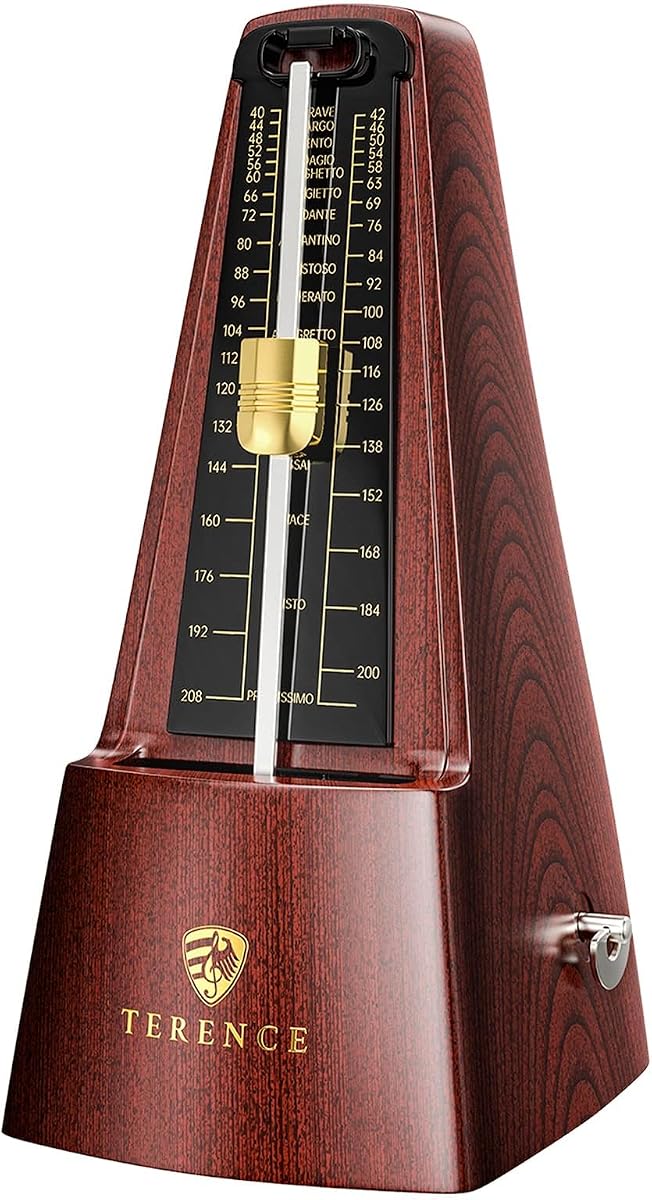
The TERENCE Mechanical Metronome Transparent stands out with a clear ABS body that reveals the copper pendulum while delivering high precision beats for piano and other instruments.
We may earn a commission when you buy through this link, at no additional cost to you.
Its all metal movement ensures stability and the transparent design makes it a modern looking gift for students or colleagues seeking something distinctive.
The material resists yellowing over time so it looks new even after long use though transparent surfaces may show dust more than dark finishes.
If you value visual uniqueness alongside performance this model provides a modern twist on classic mechanical metronome design.
The transparent body lets you see the internal mechanics which can help beginners understand how the metronome works.
Clear materials offer a contemporary look that contrasts nicely with traditional wood or black plastic metronomes.
We may earn a commission when you buy through this link, at no additional cost to you.
The Mechanical Metronome Loud Sound provides a cost effective entry point for pianists needing a reliable click for practice and exam preparation.
We may earn a commission when you buy through this link, at no additional cost to you.
It features a loud sound that cuts through ambient noise while the simple operation ensures you can start using it immediately without learning complex settings.
While user ratings are lower than other models it meets basic functional requirements for tempo control and beats per minute across standard musical pieces.
For budget conscious buyers or students needing a backup metronome this model offers essential tools without unnecessary extras or high cost.
Its clear sound and tempo range make it appropriate for students preparing for music exams that require steady timing.
If you only need basic beat tracking this model provides the core function at a very accessible price.
We may earn a commission when you buy through this link, at no additional cost to you.
Selecting the right mechanical metronome involves weighing design features sound output and build quality to match your practice needs and musical goals.
Most mechanical metronomes cover 40 to 208 beats per minute which suits nearly all piano repertoire from slow adagios to fast allegros.
Ensure the model you choose includes at least this standard range so you can practice diverse pieces without needing a different tool.
A loud click or bell is essential for piano practice because the instrument itself can mask quieter metronome sounds during strong chords.
Look for descriptions mentioning loud sound or crisp tick to guarantee the beat remains audible even at dynamic playing levels.
All metal movements generally last longer and resist wear better than plastic gears which may slip or degrade over years of daily use.
Choose models with metal movement components if you plan to use the metronome intensively or pass it down to other students.
Many metronomes offer selectable bell tones for beats two three four or six which helps emphasize downbeats in compound time signatures.
Decide if you want adjustable accent bells or a silent click based on whether visual auditory cues help your rhythm development.
Wind up time varies by model and tempo so check expected run times to ensure you can practice long passages without frequent rewinding.
Longer duration per wind reduces interruptions and keeps your focus on music rather than maintaining the metronome between measures.
Metronomes made from high strength materials like PC or metal resist cracks and rust which is vital for longevity in humid environments.
A durable body protects internal parts from accidental drops and ensures the metronome stays accurate across many years of use.
If you move between studios or travel to performances a lighter compact metronome makes transport easier without sacrificing performance.
Weigh the need for size against stability because heavier models may stay put better on grand piano stands during vigorous practice.
Your metronome will often stay visible on a music stand so choose a finish that matches your piano and decor for visual harmony.
Classic wood grains or sleek transparent designs can make the tool an attractive part of your practice space rather than just a utility.
Start by removing any brake or stopper at the base then place the metronome on a flat stable surface near your piano to prevent wobbling during operation.
Turn the winding key clockwise until you feel resistance then set the pendulum weight to your desired tempo and adjust the bell to the number of beats per measure.
Gently flick the pendulum to start the beat and if it stops too soon rewind the spring again while cleaning the exterior with a soft cloth to keep it dust free.
No mechanical metronomes operate using a wound spring mechanism so they never require batteries which makes them reliable for long term use without power concerns.
Wind duration depends on tempo and model but most units provide between ten and fifty minutes of beats before needing a quick rewinding with a key.
Yes these metronomes work well for piano violin guitar drums and other instruments since tempo and beat settings are universal across music practice.
Mechanical metronomes offer simplicity without screens distractions and they work anytime without batteries which many pianists prefer for focused practice sessions.
Use a soft dry cloth to wipe the exterior and avoid opening the case so internal gears stay protected from dust and moisture that could affect timing.
Absolutely mechanical metronomes are often easy to set up and use making them ideal for students learning rhythm without complex digital interfaces or apps.
The Tempi Ueteto and Wittner models lead our list by balancing style sound and durability to suit a wide range of pianists and practice environments.
Focus on wind duration sound volume and movement material to ensure your metronome supports steady rhythm development without distracting during intense practice.
Prices may vary over time so review current listings before purchasing to confirm you are getting the best value for your chosen mechanical metronome today.